labvanced logoLabVanced
Contact
    • Remote Physiological Measurements
    • Eye Tracking
    • Head & Face-Tracking
    • Emotion Detection
    • Heart Rate Detection (rPPG)
    • Generative AI
    • Audio Transcription
    • EEG & Hardware Integrations
    • Decision Making
    • Reaction Times
    • Keyboard Inputs
    • Mouse Tracking
    • Mobile / Touch
    • Questionnaires
    • Gamepad / Joystick Integration
    • Audio Recordings
    • Audio Transcription
    • Video Recordings
    • Screen Recordings
    • Photos / Snapshots
    • Video Conferencing
    • Canvas Drawings
    • Build with AI
    • Build with Spreadsheets
    • Using the Experiment Editor
    • Coding
    • Creating Questionnaires
    • Balancing & Randomization
    • UX & Website Testing
    • Single Session Studies
    • Factorial Designs
    • Longitudinal & Multi-session Studies
    • Individual & Case Studies
    • Real-time Multi-user Studies
    • Interviews & Video Calls
    • Surveys & Questionnaires
    • Experience Sampling & Diaries
    • Classroom & Group Testing
    • Interventions & Clinical Trials
    • In the Browser
    • Mobile App
    • Desktop App
    • WebBridge Chrome Extension
    • Stroop Test
    • Flanker Task
    • N-back Task
    • Implicit Association Test
    • Trail Making Test
    • Digit Span
    • Corsi Block Tapping
    • Tower of London
    • Balloon Analog Risk Task
    • Preferential Looking
    • Browse more →
    • DASS-21
    • GAD-7
    • Rosenberg Self-Esteem Scale
    • PHQ-9
    • Ten-Item Personality Inventory
    • Big Five Personality Test
    • Adult ADHD Self-Report Scale
    • Browse more →
    • Building a Multi-user Study
    • Webcam Eye Tracking with AOIs
    • Website Frame Eye Tracking
    • Conditional Eye Tracking Opt-in
    • ChatGPT Study
    • Desktop App Study with EEG
    • Between-subjects Group Balancing
    • Building a Reading Study
    • Stroop Task
    • Lexical Decision Task
    • Browse more →
    Public Experiment Library
    • Arts Research
    • Clinical Psychology & Neuropsychology Medicine
    • Cognitive Psychology
    • Developmental Psychology
    • Behavioral Economics & Decision Science
    • Educational Research & Psychology
    • HCI & Human Factors
    • Linguistics & Language Sciences
    • Consumer & Marketing Research
    • Social & Personality Psychology
    • Sport & Movement Science
    • UX & Website Testing
    • Executive Functions
    • Language & Reading
    • Decision-Making & Reasoning
    • Attention
    • Overview
    • HCI & Human Factors
    • UX & Website Testing
    • Consumer & Marketing Research
    • White-Label App
    • PageGazer
    • Webcam vs. Lab Eye Tracking in InfantsAnna Banki & Gabriela Markova
    • Eye Tracking for Influencer MarketingDr. Alexander Edeling
    • Eye Tracking Infant Word ComprehensionDr. Giulia Calignano
    • Sentence Reading and Grammar JudgmentsDr. Jonathan Mirault
    • Regulating Emotions with MusicDr. Katrin Starcke
    • Game-Based Grammar Learning in ChildrenDr. Mireia Marimon
    • Gaze Cueing and AutismMax Soares Miehstein
    • Personality and Hearing in NoiseDr. Malte Wöstmann
    • All interviews →
    • Lab Notes
    • How to Cite Labvanced
    • Labvanced Platform Paper (2017)
    • Webcam Eye Tracking Validation (2024)
    • Webcam Eye Tracking Studies
    • Cognitive Psychology Studies
    • Developmental Psychology Studies
    • Linguistics Studies
    • See all publications →
    • Getting Started
    • Guide
    • Video Tutorials
    • Walkthroughs
    • Live Chat
    • Webinars & Onboarding Calls
    • AI Assistant
    • FAQ
    • Importing Templates Guide
    • Test Templates
    • Live Eye Tracking Metrics
    • Mouse Tracking Demo
    • ChatGPT Demo
    • Audio Recording Object Demo
    • Adding Image Stimuli Demo
    • Score & Feedback Demo
    • Browse all technical demos →
    • Timing Precision
    • Stimuli Presentation
    • Headphone Checks
    • Bot Checks
    • Participant Management
    • Comparisons
    • Research Blog
    • Prolific Integration
    • CloudResearch Integration
    • Sona Systems Integration
    • BeSample Integration
    • Panelabs Integration
    • Clickworker Integration
    • Labvanced Webhook API
    • Labvanced REST API
    • About Us
    • Newsletter Archive
    • Terms & Conditions
    • Data Security & Data Privacy
    • Technical & Organisational Measures
    • Accessibility
    • W-8BEN-E Form
    • Data Processing Agreement Template
    LinkedInYouTubeDiscord
    • Individual
    • Lab
    • Department / Consortium
    • Teaching
    • Campus
    • Commercial
    Top-Ups
    • Overview
    • Study Building
    • Subject Recruitment
    • Dedicated Support
    Checkout
  • Contact
    • EN
      • 中國人
      • Deutsch
      • Français
      • Español
      • English
      • 日本語
    • Appgo to app icon
    • Loginlogin icon
    Platform
    Labvanced makes it easy to implement the most advanced study design and reliably collect your data.
    Biosignals & AI
    Remote Physiological MeasurementsEye TrackingHead & Face-TrackingEmotion DetectionHeart Rate Detection (rPPG)Generative AIAudio TranscriptionEEG & Hardware Integrations
    Behavioral Recordings
    Decision MakingReaction TimesKeyboard InputsMouse TrackingMobile / TouchQuestionnairesGamepad / Joystick Integration
    Media Recordings
    Audio RecordingsAudio TranscriptionVideo RecordingsScreen RecordingsPhotos / SnapshotsVideo ConferencingCanvas Drawings
    Implementation Techniques
    Build with AIBuild with SpreadsheetsUsing the Experiment EditorCodingCreating QuestionnairesBalancing & RandomizationUX & Website Testing
    Study Formats

    Your study can take whatever format your research needs. Here are a few popular examples.

    Single Session StudiesFactorial DesignsLongitudinal & Multi-session StudiesIndividual & Case StudiesReal-time Multi-user StudiesInterviews & Video CallsSurveys & QuestionnairesExperience Sampling & DiariesClassroom & Group TestingInterventions & Clinical Trials
    Where Studies Run

    Run your study online in the browser, on mobile or tablet with the mobile app, or in-lab with the desktop app.

    In the BrowserMobile AppDesktop AppWebBridge Chrome Extension
    Tests
    Explore cognitive tests, questionnaires, walkthroughs, and our public experiment library: a starting point for your next study.
    Popular Cognitive Tests
    Stroop TestFlanker TaskN-back TaskImplicit Association TestTrail Making TestDigit SpanCorsi Block TappingTower of LondonBalloon Analog Risk TaskPreferential Looking
    Browse more →
    Questionnaires & Scales
    DASS-21GAD-7Rosenberg Self-Esteem ScalePHQ-9Ten-Item Personality InventoryBig Five Personality TestAdult ADHD Self-Report Scale
    Browse more →
    Public Experiment Library

    Take a look at what other researchers in the community are doing through our extensive, open catalog of shared studies.

    Open the public library →
    Walkthroughs

    Step-by-step builds of complete studies, from a blank project to a running experiment, that you can follow along or adapt.

    Building a Multi-user StudyWebcam Eye Tracking with AOIsWebsite Frame Eye TrackingConditional Eye Tracking Opt-inChatGPT StudyDesktop App Study with EEGBetween-subjects Group BalancingBuilding a Reading StudyStroop TaskLexical Decision Task
    Browse more →
    Research
    One platform for students, academics, and industry researchers studying human behavior.
    Harvard UniversityStanford UniversityCambridge UniversityUCLNYUMax Planck InstituteUCLATU Munich

    Trusted by researchers at 1,500+ universities worldwide

    Academic Research
    Arts ResearchClinical Psychology & Neuropsychology MedicineCognitive PsychologyDevelopmental PsychologyBehavioral Economics & Decision ScienceEducational Research & PsychologyHCI & Human FactorsLinguistics & Language SciencesConsumer & Marketing ResearchSocial & Personality PsychologySport & Movement ScienceUX & Website Testing
    Research Areas
    Executive FunctionsLanguage & ReadingDecision-Making & ReasoningAttention
    Industry / Commercial
    OverviewHCI & Human FactorsUX & Website TestingConsumer & Marketing ResearchWhite-Label AppPageGazer
    Researcher Interviews

    Conversations with researchers about the studies they ran with Labvanced, what worked, and what they learned.

    Webcam vs. Lab Eye Tracking in InfantsAnna Banki & Gabriela MarkovaEye Tracking for Influencer MarketingDr. Alexander EdelingEye Tracking Infant Word ComprehensionDr. Giulia CalignanoSentence Reading and Grammar JudgmentsDr. Jonathan MiraultRegulating Emotions with MusicDr. Katrin StarckeGame-Based Grammar Learning in ChildrenDr. Mireia MarimonGaze Cueing and AutismMax Soares MiehsteinPersonality and Hearing in NoiseDr. Malte Wöstmann
    All interviews →
    Our Research
    Lab NotesHow to Cite Labvanced
    Peer Reviewed Studies

    A selection of peer-reviewed work built on Labvanced: our own platform and validation papers, and studies by the research community grouped by area. Hundreds more are listed on the full publications page.

    Labvanced Platform Paper (2017)Webcam Eye Tracking Validation (2024)Webcam Eye Tracking StudiesCognitive Psychology StudiesDevelopmental Psychology StudiesLinguistics Studies
    See all publications →
    Resources
    Valuable resources to help you learn the platform, stay updated, and more.
    Documentation
    Getting StartedGuideVideo TutorialsWalkthroughs
    Support
    Live ChatWebinars & Onboarding CallsAI AssistantFAQ
    Templates & Demos

    These are a few popular examples. Browse our guide and a selection of technical demos to get started with implementation.

    Importing Templates GuideTest TemplatesLive Eye Tracking MetricsMouse Tracking DemoChatGPT DemoAudio Recording Object DemoAdding Image Stimuli DemoScore & Feedback Demo
    Browse all technical demos →
    Methodology
    Timing PrecisionStimuli PresentationHeadphone ChecksBot ChecksParticipant ManagementComparisonsResearch Blog
    Integrations & APIs
    Prolific IntegrationCloudResearch IntegrationSona Systems IntegrationBeSample IntegrationPanelabs IntegrationClickworker IntegrationLabvanced Webhook APILabvanced REST API
    Company & Legal
    About UsNewsletter ArchiveTerms & ConditionsData Security & Data PrivacyTechnical & Organisational MeasuresAccessibilityW-8BEN-E FormData Processing Agreement Template
    LinkedInYouTubeDiscord
    Pricing
    Our licenses and additional services at a glance.
    Licenses
    IndividualLabDepartment / ConsortiumTeachingCampusCommercial
    Top-Ups

    Need more recordings for your lab or your own research? Simply use one of these recording top-up packages.

    Browse top-up packages →
    Additional Services

    Hire Labvanced’s expert team to quickly bring your project to the level of rigor it needs.

    OverviewStudy BuildingSubject RecruitmentDedicated Support
    Checkout

    Ready to purchase a license or top-up? Head straight to checkout.

    Go to checkout →
    • 中國人
    • Deutsch
    • Français
    • Español
    • English
    • 日本語
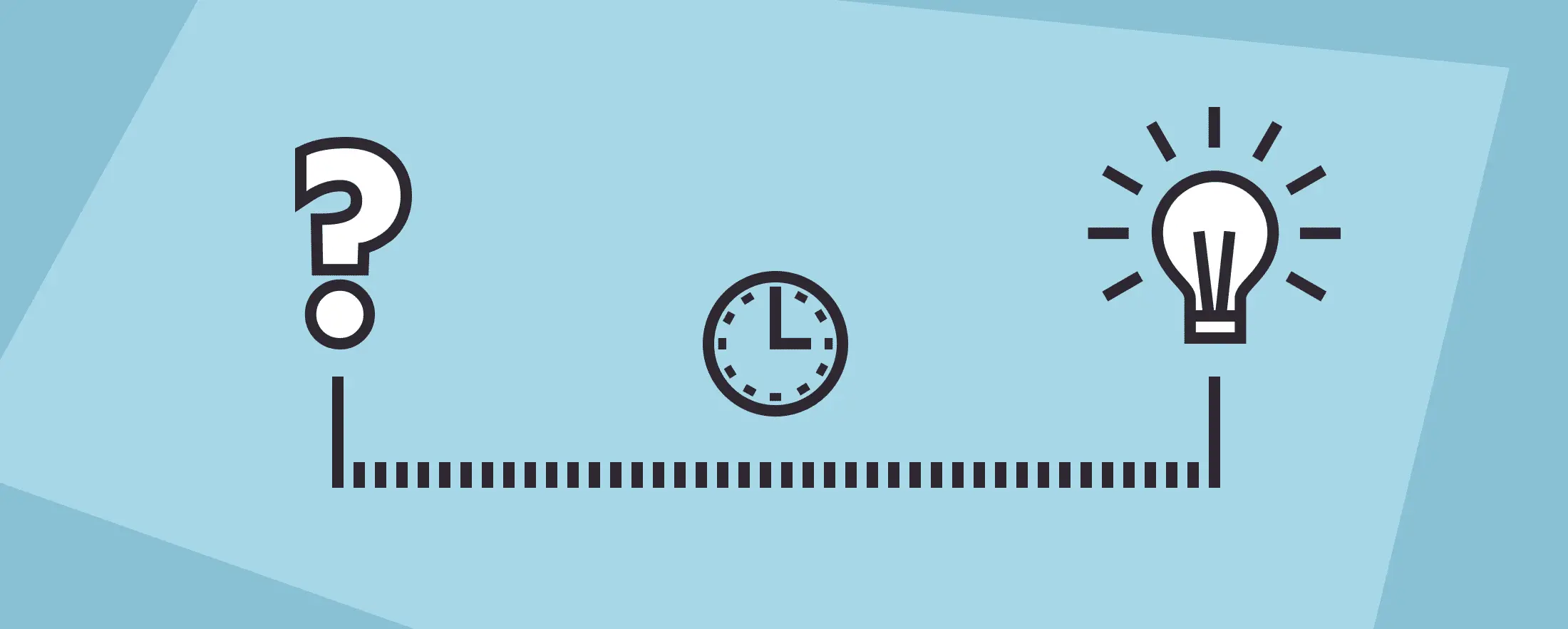
    A clock and a lightbulb representing the passage of time for which the Incubation Effect does its work in psychology

    The Psychology of the Incubation Effect

    In psychology research, there’s a powerful, but not often talked about phenomenon... called the Incubation Effect! This effect shows that taking a break from a problem, instead of continuously working on a problem, can actually lead to improved problem solving and insights down the road!

    For researchers, considering and understanding this effect could have significant implications for experimental design. For example, researchers utilizing this effect can ultimately enhance participant performance and overall quality of problem solving.

    Let’s go over what the Incubation Effect is, how it works, including its underlying cognitive functions, as well as discuss examples of how researchers can incorporate the Incubation Effect into psychology research.

    What is the Incubation Effect?

    The Incubation Effect refers to coming up with a creative solution or a way to solve a problem while not actively attending to it. A classic example of the Incubation Effect is reaching a standstill, deciding to take a break from your work by, let's say, taking a walk. Then while on that walk and not thinking a problem, suddently a solution pops up out of the blue! Typically, we think that solving difficult problems requires more effort, but the psychology behind the Incubation Effect shows that actually stepping away from the task at hand can actually lead to breakthroughs (Smith, S. M., 2011)!

    The process behind the Incubation Effect is typically divided into the following three phases:

    • Pre-incubation phase: This is when initial attempts to solve the problem at hand fail, and the person gets stuck or experiences some kind of “mental block.”
    • Incubation phase: The person takes a break from the problem, either by doing a similar or different task or simply resting.
    • Post-incubation phase: After the break, the person returns to the problem and tries to solve it again (Talandron-Felipe et al., 2021). For example, if one can't solve a math problem at first (pre-incubation), they can take a break and do other non-related things (incubation). Later, upon returning to the original problem (post-incubation), the problem may be easier to solve because they have a 'fresh pair of eyes'.

    Incubation Effect Examples in Daily Life

    The Incubation Effect is actually something we naturally experience in our everyday lives . Next time you take part in the following, know that the incubation effect is probably doing its thing behind the scenes:

    • Mind-wandering (Short Incubation Period): Mind-wandering occurs when a person’s thoughts drift away from the task at hand and behind to 'wander' about topics unrelated to the immediate task. Mind-wandering is actually studied a lot in psychology examples of how it is referred to in the literature: daydreaming, spontaneous thought, task-unrelated thought, and stimulus-independent thought (Ritter, et al., 2014). For example, when someone is washing dishes or commuting, their mind might wander to past experiences or new ideas, sometimes sparking unexpected insights about problems they experienced earlier in the day or in the week.
    • Sleep (Longer Incubation Period): Sleep is actually also studied for its effect on learning and performance - which is essentially the incubation effect at work! Sleep, particularly the REM (Rapid Eye Movement) stage, is crucial for aiding cognitive functions like memory consolidation and creative thinking. It is a commonly known fact that during sleep, the brain organizes and processes information from the day, helping with memory recall and comprehension (Cai, et al., 2009). For instance, a student studying before bed may experienced improved recall of the material after a full night's rest. Sleep also aids in creative problem-solving, as many people experience "a-ha" moments upon waking. The chemist August Kekulé famously dreamed of a snake biting its own tail, which inspired his formulation of the structure of benzene (Rocke, 2014).
    Study the incubation effect in your research with Labvanced.

    Cognitive Functions Associated with the Incubation Effect

    There are several cognitive functions at play that can explain the psychology and workings behind the Incubation Effect. Here are a few:

    • Mind wandering: As mentioned previously, this cognitive process allows individuals to detach from specific tasks, leading to a form of cognitive exploration that encourages the development of remote associations and connections (Huang et al., 2024).
    • Forgetting incorrect solutions: The “forgetting-fixation account” suggests that taking a break from a problem helps individuals forget previous unsuccessful approaches, allowing them to access the correct solution path more effectively (Penaloza, et al., 2012).
    • Restructuring problem representations: This involves reorganizing one’s mental representation of a problem into a more productive format. This helps stumble to a solution by reshaping the available information (Henok et al., 2018).
    • Subconscious processing: Perhaps this is kind of like the common ground of the processes discussed up to this point. By setting creative problems aside, this provides the opportunity for subconscious processes to work on generating plausible solutions, leading to spontaneous breakthroughs aided by placing attention elsewhere (Gilhooly, K. J., 2016; Talandron-Felipe et al., 2021).

    Applying the Incubation Effect in Psychology and Research

    By involving incubation breaks in research researchers can improve participants' problem-solving, boost creativity, and better understand how subconscious processing leads to new insights. Designing experiments to understand the Incubation Effect involves allowing structured tasks where participants engage with a problem, take a break, and then return to the task.

    Various tasks have already utilized the effect in their studies, such as:

    • Classical riddles: In the study, participants were divided into groups that either had an incubation period of 4.5 hours, spent awake or asleep, between the initial phase and retest, or had no incubation period and proceeded directly to the retest. The results indicated that participants who experienced an incubation period, regardless of whether it was spent awake or asleep, had higher solution rates for the riddles compared to those who did not have an incubation period at all (Brodt, et al., 2018).
    • Cheap necklace problem: The Cheap Necklace Problem (CNP) is an problem-solving task where participants are asked to connect chains with a maximum cost of 15¢ while keeping in mind the costs of specific compones, for example each opening link costs 2¢ and closing link costs 3¢. The incubation effect was utilized by providing the participants a 2-week break after working on the CNP, before attempting the task again. Results showed that upon the reattempting it 2 weeks later, the participants in the high-interactivity condition (where they could physically manipulate the chains) demonstrated significant improvements compared to those in a low-interactivity condition (Henok et al., 2018).
    • Remote associate tests (RATs): The Incubation Effect was utilized by having participants solve Remote Associate Tests (RATs) in two attempts. After the first attempt, participants in the incubation condition took a 2-minute break to read an article, while those in the non-incubation condition continued working on the RATs without a break. The findings showed that participants who experienced an incubation period performed better on the RATs during their second attempt compared to those who did not have a break (Penaloza, et al., 2012).

    Conclusion

    The Incubation Effect is a powerful tool that researchers can harness to examine creativity and problem-solving processes in their experiments. Understanding the Incubation Effect is particularly relevant in today’s fast-paced work and academic environments, where continuous work is often prioritized over breaks. Whether it's breaking up complex tasks or studying the effect of incubation on participants, this cognitive phenomenon offers a new dimension to research and experiment design.