
15 Famous Developmental Psychologists and Their Theories
How do we make sense of human growth and development, from infancy to old age? At the heart of developmental psychology, these famous theories have shaped and inspired many to pursue their research in order to explain how the individual grows to perceive the world and themselves as they get older.
The most popular developmental theories in the field came from the following researchers:
- Sigmund Freud (May 6, 1856 - September 23, 1939) 5 Stages of Psychosexual Development
- Alfred Adler (February 7, 1870 - May 28, 1937) Individual Psychology, Personality and Inferiority
- Arnold Gesell (June 21, 1880 - May 21, 1961) Maturational Theory of Child Development
- Jean Piaget (August 9,1896 - September 16, 1980) 4 Cognitive Development Stages
- Lev Vygotsky (November 17, 1896 - June 11, 1934) Sociocultural Theory of Cognitive Development
- Erik Erikson (June 15, 1902 - May 12, 1994) ** Stages of Psychosocial Development**
- B.F. Skinner (March 20, 1904 - August 18, 1990) Behavioral Development and Verbal Behaviors
- Harry Harlow (October 31, 1905 - December 6, 1981) Mother-Child Attachment Theory
- John Bowlby (February 26, 1907 - September 2, 1990) Attachment Theory
- Abraham Maslow (April 1, 1908 - June 8, 1970) Hierarchy of Needs
- Mary Ainsworth (December 1, 1913 - March 21, 1999) Mother-Infant Attachment Theory
- Urie Bronfenbrenner (April 29, 1917 - September 25, 2005)
Ecological Systems Theory - Albert Bandura (December 4, 1925 - July 26, 2021) Psychosocial Theory
- Lawrence Kohlberg (October 25, 1927 - January 19, 1987) 6 Stages of Moral Development
- Paul Baltes (June 18, 1939 - November 7, 2006) Lifelong Development Theory
Let’s take a look at the main ideas that these researchers devoted their time and energy to in order to grow their understanding of human development:
1. Freud’s 5 Stages of Psychosexual Development
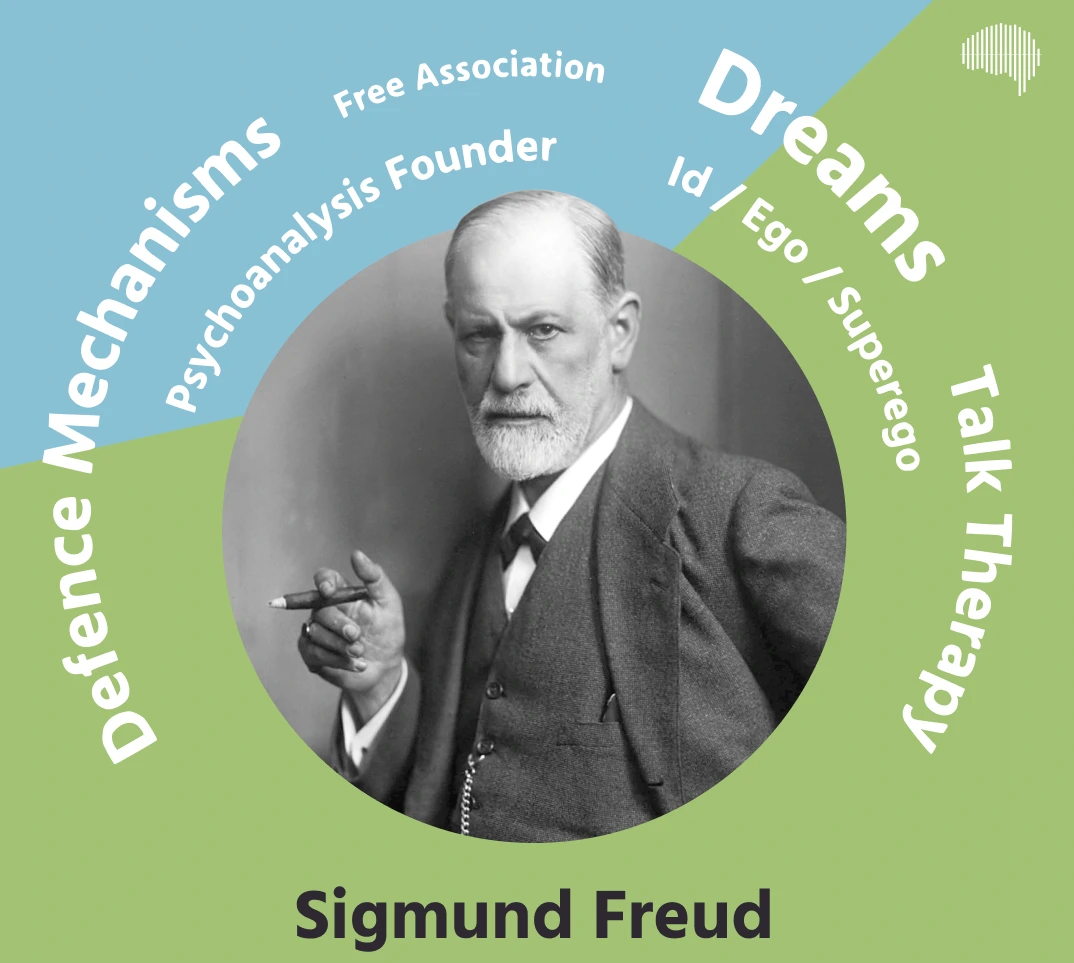
Sigmund Freud, the father of psychoanalysis, also had many contributions to developmental psychology. Most famous is his theory on the 5 stages of psychosexual development where he proposed that 5 psychosexual stages occur during growth from childhood to adulthood, with each stage having its own energy that relates to a different part of the body. These stages are: oral, anal, phallic, latency, and genital.
Freud also proposed that personality develops through interactions of the mind, namely the: id, ego, and superego. Based on how these three parts of the mind interact or conflict with each other, human behavior and individual personality are in turn affected (Austrian, 2008).
While Freud was very influential in the field of psychoanalysis, his hypotheses on developmental psychology were not subjected to rigorous experimental methods as his research was centered around observation.
2. Adler’s Theories on Individual Psychology, Personality and Inferiority
Influenced by psychoanalysis, Adler was interested in the individual and developed his theory on “Individual Psychology.” According to Adler, there are four personality types which can describe an individual’s life:
- The socially useful type: Refers to healthy individuals that have strong but not overwhelming energy and show social interest because they can give to others without being overwhelmed.
- The ruling type: Characterizes those who are more likely to be dominant and aggressive over other people and have an intense and overwhelming energy.
- The getting/leaning type: Refers to individuals that are sensitive and usually have a protective shell around them, relying on others’ energy and efforts in order to get through challenges.
- The avoiding type: Captures low energy individuals that turn inward and avoid the challenges of life because they retreat so deeply.
In terms of development, Adler believed that every person has a sense of inferiority and that we work from childhood in order to obtain a feeling of superiority. His theory suggested that encouraged individuals act accordingly while discouraged individuals have more harmful behaviors, such as being withdrawn or submissive. Thus, human nature has the tendency in order to communicate appropriately and receive respect in order to become optimistic and fulfilled individuals. With this in mind, proponents of Adler’s theory see that ‘a misbehaving child is a discouraged child’ (Saracho & Evans, 2021).
3. Arnold Gesell’s Maturational Theory of Child Development
Dr. Arnold Gesell, an American clinical psychologist, but also an educator at Yale and pediatrician, was interested in determining the patterns of maturational growth through the lens of neurobehavioral development. While Gesell believed that both genes and the environment influence a child’s growth, he was mostly interested in how intrinsic factors affect physiological development, such as the growth of the nervous system and how this leads to subsequent changes in their mind and behaviors (Michel & Moore, 1995).
Gesell saw that children develop through a predictable sequence of stages, but at their own pace and he theorized growth as a cyclical spiral that moves through 6 well-defined stages. One cycle has the following parts, in order to resolve: Smooth, Break-Up, Sorting Out, Inwardizing, Expansion, and Neurotic.
Furthermore, Gesell established normative trends for the four major areas of growth:
- Motor
- Cognitive (Adaptive)
- Language
- Personal-Social Behavior
Gesell’s research continues to be used as a guide to psychologists and pediatricians to this day.
What is Labvanced?
Labvanced is a powerful platform designed specifically for conducting behavioral and cognitive experiments and psychological research using advanced features such as peer-reviewed eye-tracking and multi-user study support via web and native desktop/mobile applications.
4. Jean Piaget’s 4 Cognitive Development Stages
Many would agree that Piaget is one of the most influential developmental psychologists of the 20th century. His work and research in the field of developmental psychology are so extensive that it is difficult to pick what topic to focus on, from experimental research methods he developed to explaining how developmental processes occurred in children.
One of the most well known contributions that Piaget made was his 4 stages of development which is firmly based on epistemology and biology:
- The Sensorimotor stage (0-2 years)
- Preoperational stage (2-7 years)
- Concrete operational stage (7-11 years)
- Formal operational stage (11-16 years and beyond)
These stages are then divided into substages which further explain how cognition develops. For example, curiosity and novelty are first observed in the sensorimotor stage from 12 to 18 months and a newborn begins acting with intentionality or that play helps the schematization process develop in infants (Bhagat, Haque, & Jaalam, 2018).
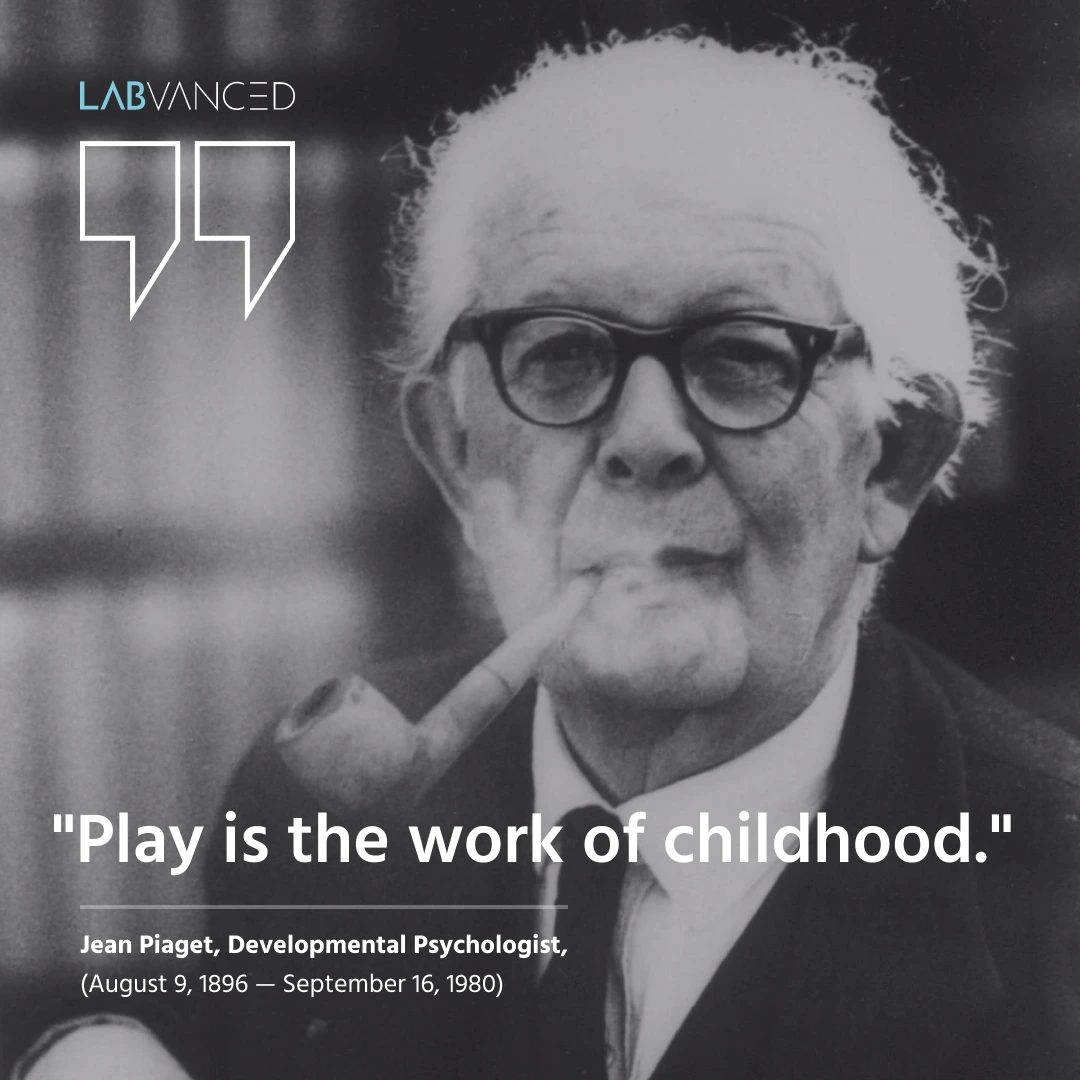
To this day, Piaget’s theories are used for structuring education plans and curriculum across school systems. Education systems worldwide use his theories to determine a child’s capabilities and what can be understood based on their stage of development and subsequently develop lesson plans (Zhan et al., 2022).
5. Lev Vygotsky’s Sociocultural Theory of Cognitive Development
Vygotsky stressed the importance of social processes for the development of more complex cognitive and psychological functions. His sociocultural theory is based on four ‘genetic domains’ which can be used to investigate higher-level cognitive processes (Marginson & Dang, 2017):
- The phylogenetic domain: relates to the processes developed as a result of humans going through natural evolution.
- The cultural-historical domain: refers to the social activity of humans and how this affects cognitive development.
- The ontogenetic domain: captures the capabilities of cognition as they relate to the individual lifespan.
- The microgenetic domain: refers to the immediate events one experiences.
In his theory, the most popular construct that Vygotsky proposed is the Zone of Proximal Development (ZPD) which refers to the distance between what a child can accomplish without assistance and what they can do with the guidance of someone that is more capable like an adult.
Present day educational systems still use Vygotsky’s theories, particularly his proposition of development mediated by signs and tools and ZPD by developing tasks that are slightly above what the child is capable of and then guiding them through the task. Also, secondary language education classrooms are commonly using his theories (Daneshfar & Moharami, 2018).
Erik Erikson’s 8 Stages of Psychosocial Development
Erik Erikson’s contributions to the field of psychology are numerous. Erikson was a lecturer at Yale but he also practiced psychoanalysis, perhaps this is why he coined the term ‘identity crisis’ as that is where his work and research on the ego led him (Erikson, 1956).
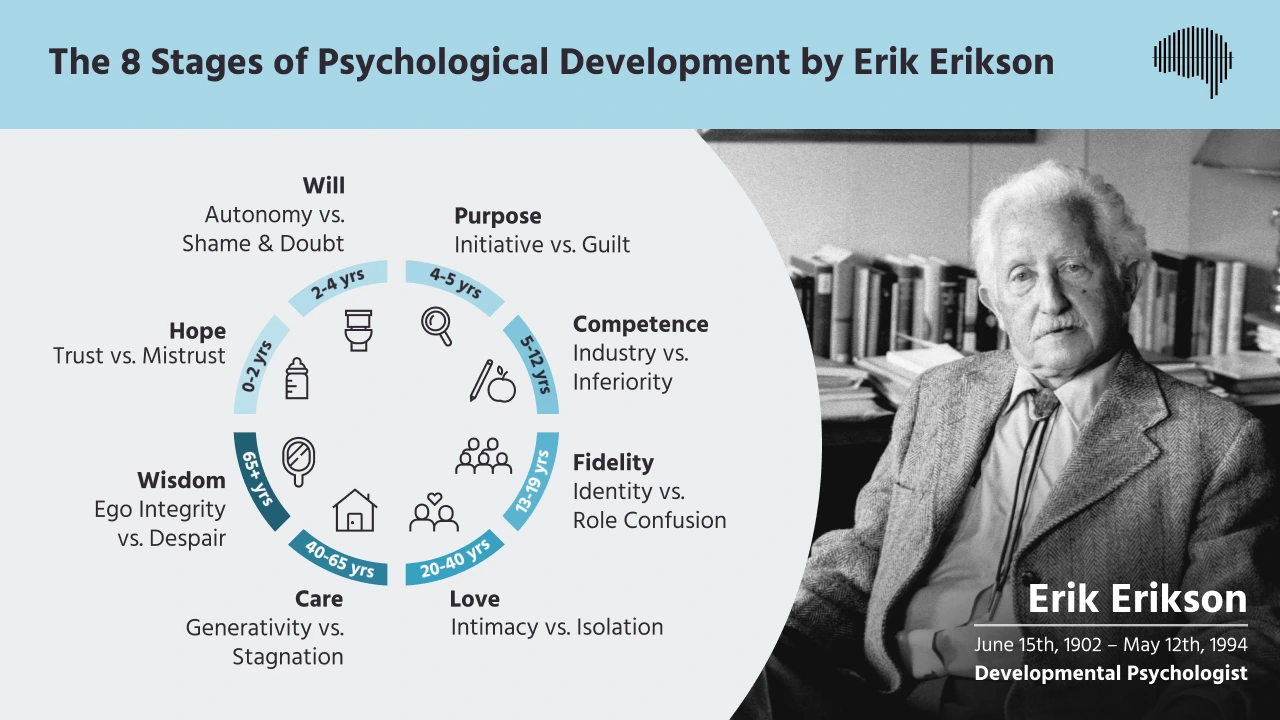
With his work, Erikson demonstrated how the individual works to fit within society’s framework (Douvan, 1997). Below are Erikson’s 8 stages of psychosocial development and with each stage for which Erikson suggested a ‘virtue’ (underlined below) or ‘strength’ that can be acquired in that stage:
- Hope: Trust vs. Mistrust (0-2 yrs): An infant must have its basic needs met.
- Will: Autonomy vs. shame/doubt (2-4 yrs): Infants learn to exercise control over their immediate surroundings.
- Purpose: Initiative vs. guilt (4-5 yrs): Toddler begin completing tasks fully on their own.
- Competence: Industry vs. inferiority (5-12 yrs): The child continues to take on and complete more challenging tasks, building self-worth, proficiency, and a support system along the way.
- Fidelity: Identity vs. role confusion (adolescence, 13-19yrs): During adolescence, the importance of mastering and completing complex tasks continues and the role of the support system continues to be important as the children develop a sense of self.
- Love: Intimacy vs. isolation (early & emerging adulthood, 20-40yrs): Entering adulthood is about creating and nurturing relationships, learning vulnerability, and forming connections with trustworthy people.
- Care: Generativity vs. stagnation (adulthood, 40-65yrs): At this point, one learns to care for others without the need to be reciprocated, creating a sense of meaning and purpose.
- Wisdom: Ego integrity vs. despair (maturity): In this final stage, individuals learn to accept their mortality and reflect on whether their life was fulfilling.
7. B.F. Skinner’s Theories on Behavioral Development and Verbal Behaviors
A prominent figure in behavioral psychology and known for developing the theory on operant conditioning, Skinner’s theories were also applied to explain how children develop, learn and acquire new skills (Schlinger, 2021). For example, for a child to conquer a complex task, the best way to go about it is to define a target action and break it down into simple, achievable components. While these steps are performed, correct behaviors are reinforced and correct other steps along the way. Then, when the performance or behavior is mastered, occasional reinforcement ensures that the behavior is maintained.
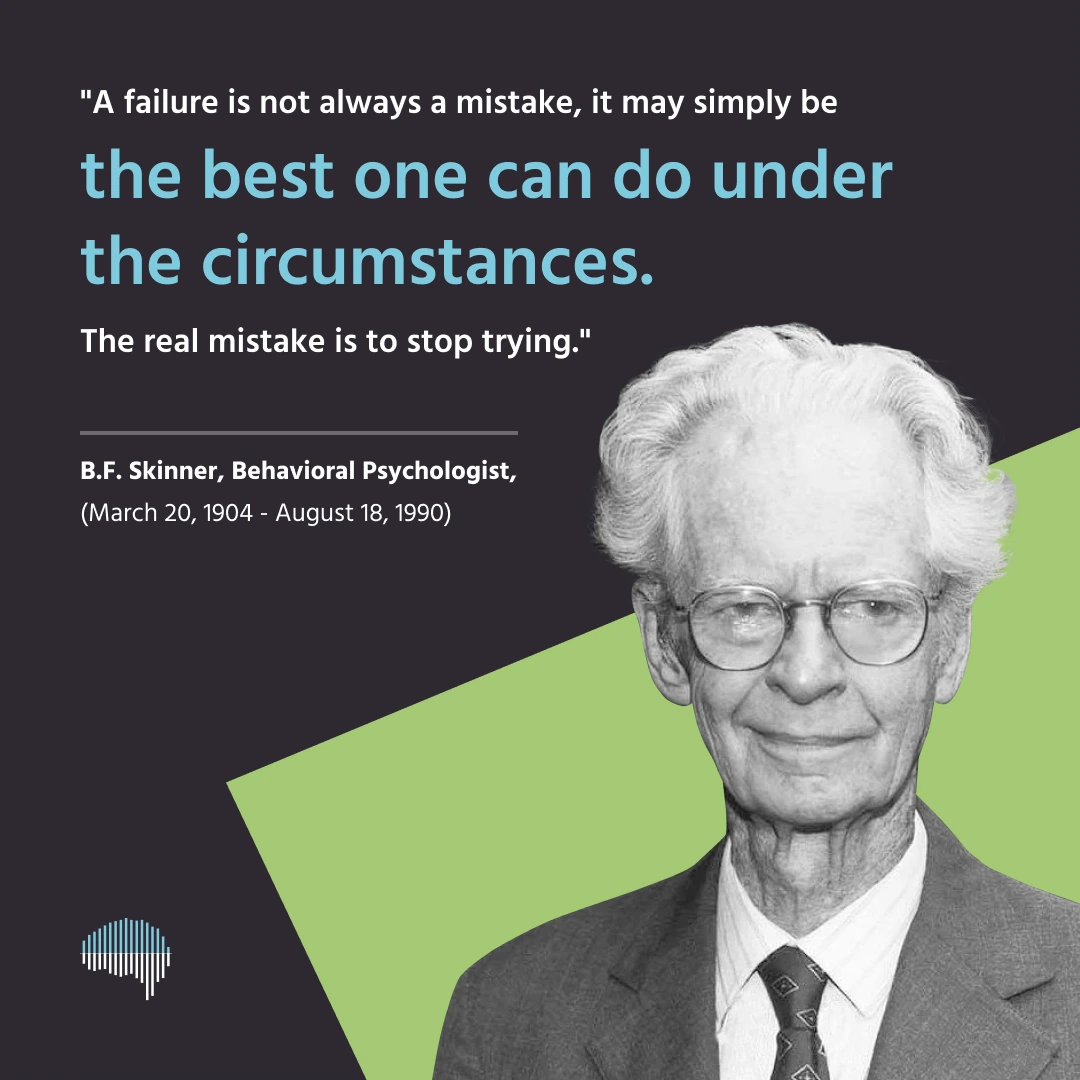
Fun Fact: Skinner is ranked as the most influential psychologist of the 20th century by the American Psychological Association (Haggbloom et al., 2002), scoring above Jean Piaget (#2), Sigmund Freud (#3), and Albert Bandura (#4).
Later in his career, Skinner also theorized on language acquisition and analyzed verbal behavior. Skinner’s approach to language analysis applies his theories on teaching procedures to language as crucial for shaping communication, such as shaping, fading, prompting, and chaining (Sundberg & Michael, 2001).
Skinner’s findings affected the education system by introducing the ideas of reward and punishment to shape behavior which ultimately led to teachers to use rewards and punishments in classrooms. Furthermore, his work on how important stimuli is to training provided many useful insights that were translated to the learning process and setting.
8. Harlow's Mother-Child Attachment Theory
Harry Harlow conducted the famous (yet controversial) experiments that showed how rhesus monkeys form attachments, ultimately providing insights on the importance of the mother-child attachment for healthy development.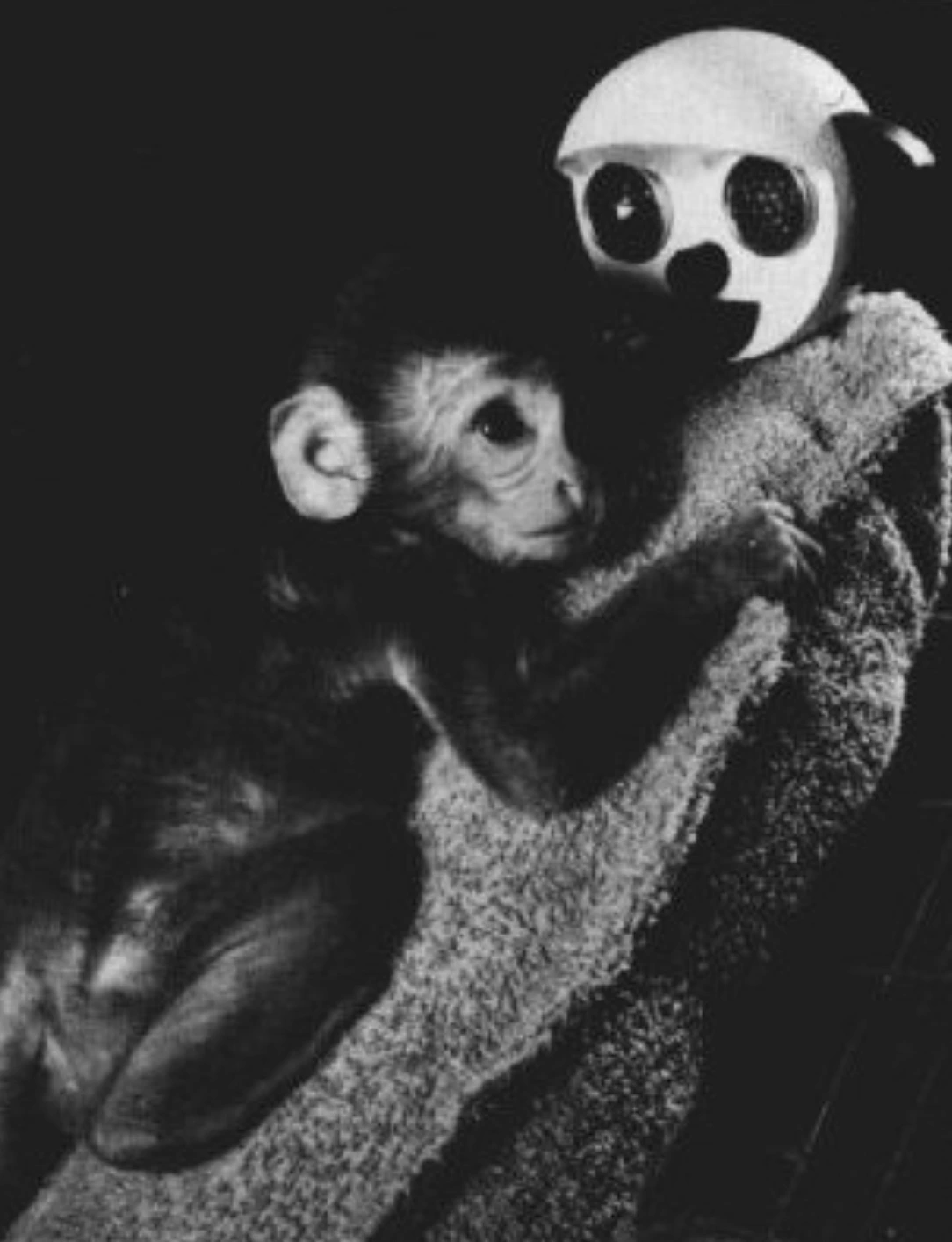
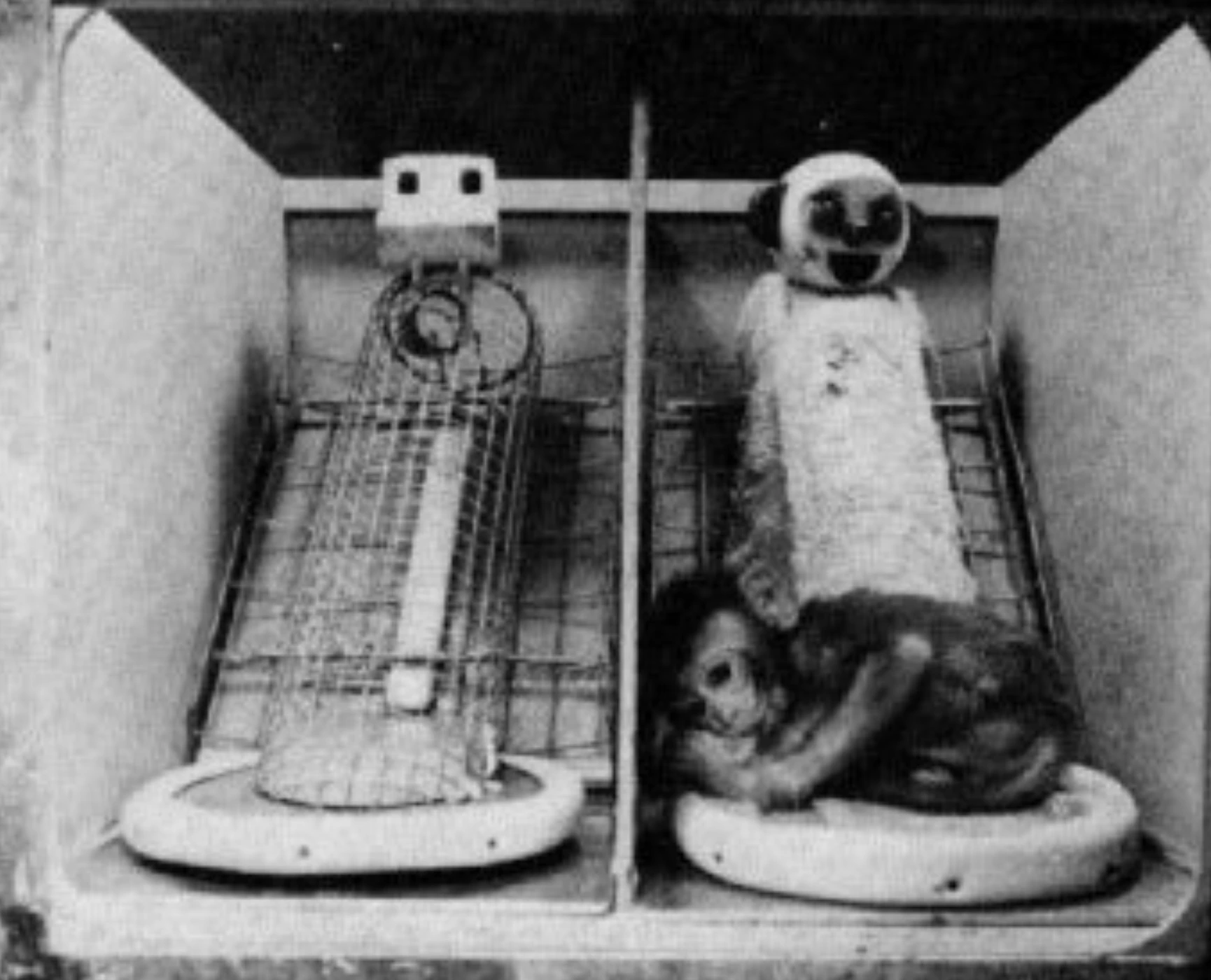 Left: Infant rhesus monkey preferring to spend time with the wool surrogate mother. Right: Close-up of the infant monkey bonding with the wool mother.
The experimental set up involved two surrogate mothers, one made out of wire and one out of wool. The wire mother provided food but the wool mother was warm. The infant rhesus monkey spent all of its time with the wool mother except when it came time to feed, it would go to the wire mother to eat and then return to the wool mother for warmth. Harlow moved on to show that the infant monkey would recognize the wool mother’s face and prefer it to other options.
Later in his career, Harlow studied isolation, subjecting monkeys either to partial isolation or full isolation for a prolonged period of time (months to years). The disturbing behavioral effects observed in isolated monkeys were considered in parallel with the ‘hospitalization effect’ phenomenon in which orphans without parenting figures are observed to be more disturbed and aggressive. Harlow hypothesized that the rhesus monkey experiment on attachment explains the hospitalization effect and shows the importance of caregiving for healthy cognitive and social development (Harlow, Dodsworth, & Harlow,1965).
Harlow’s work is still influential today, especially in day care and settings that have to do with taking care of children.
9. Bowlby’s Attachment Theory
John Bowlby, a British psychiatrist and psychoanalyst, was known for his attachment theory which stated that a child needs a positive relationship with at least one caregiver in order to develop normally. He also did a lot of work elaborating on separation anxiety.
According to Bowlby, there are 4 attachment styles:
- Secure attachment: The ideal type of attachment where one is assured of their relationships and can help their partner but also be confident and comfortable at a distance.
- Avoidant attachment: A detached approach to relationships where closeness and emotional investment are seen as dangerous. During difficult times in a relationship, the instinct is to withdraw from the other person.
- Anxious attachment: Anxious attachment is coercive and requires constant reassurance, minor inconveniences are perceived as threatening which, in turn, lead to strong reactions typically filled with anger.
These attachment styles are influenced by our earliest experience which influences adult relationships. However, into adulthood, a person can change attachment styles through personal growth.
Bowlby used a deficiency model of disease to explain that maternal deprivation is detrimental. In his famous report to the World Health Organization (WHO), Bowlby wrote that likened the effects of material deprivation during early childhood are similar to the ‘deprivation of vitamin D in infancy.’ In other words, maternal deprivation is as harmful as lack of vitamin D for normal development (Duniec & Raz, 2011).
In terms of cognition, Bowlby asserted that in order for attachment to form, certain cognitive processes are needed such as mental representations (of the environment, self, and the caregiver) which are, in turn, shaped by experience.
Bowlby’s theory also explored other cognitive processes in terms of attachment, including (Cassidy & Shaver, 2002):
- Discrimination learning
- Non-conscious processing
- Selective attention
- Memory
- Interpretive biases
- Object permanence
Bowlby’s work was influential to many institutions, from psychiatric wards to caregiving settings) and to this day continues to inspire researchers studying parenting, relationships and even anxiety-related disorders (Rholes, Simpson, & Friedman, 2006) (Xue et al., 2018).
10. Maslow’s Hierarchy of Needs
Maslow proposed a hierarchy of needs, from essential needs like food to more abstract/higher-level needs like self-esteem. He set up a progressive list of needs that an individual goes through in order to develop completely and be self-actualized.
In order for a child to be able to meet their higher-level needs, their basic and essential needs need to be addressed first, like safety and other physiological needs like sleep and water. Thus, Maslow’s contribution to developmental psychology was proposing that an individual can only focus on growing if there is no deficiency from a lower step in the hierarchy.
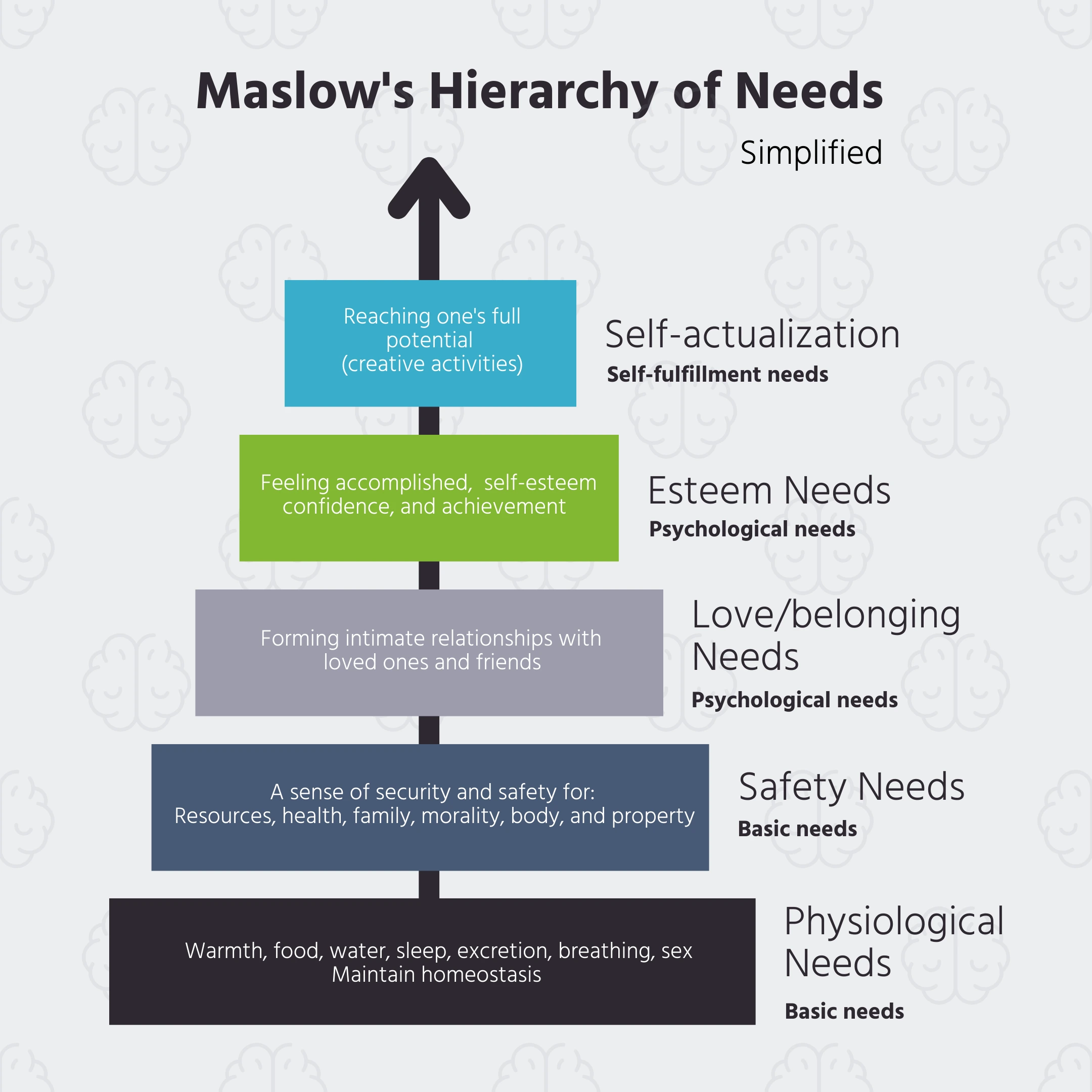
It is important to note that Maslow asserted that a need does not need to be met 100% before moving on to the next need. In fact, Maslow believed that the majority of individuals are partially satisfied with their basic needs. Thus, it might be more accurate to see the needs as percentages where a satisfactory level is good enough. Also, when a new need emerges, it does not happen immediately, but rather is a slow and gradual process that emerges over time (Bland & DeRobertis, 2017).
Educators keep in mind Maslow’s theory, understanding that it is important for a child to feel secure and safe in order to be capable of further developing and learning.
11. Mary Ainsworth’s Theory on Infant-Mother Attachment
Ainsworth was known for developing an experimental method for measuring attachment styles through the ‘Strange Situation Procedure’ which has become a gold standard for assessing infants’ attachment style.
Ainsworth prioritized the impact of infant-mother attachment on development. Her theory shows that depending on how an infant was attached to their mother by the age of 1, it would influence later aspects of development. The reasoning behind this is that the way an infant behaves towards their mother impacts how they organize their behavior to the environment at large. Ainsworth acknowledged that the attachment can change overtime or by major events and that other figures in the infant’s life are also important (not just the mother).
In the Strange Situation experiment, the child is observed under various circumstances in order to determine how they behave in the presence and absence of their mother, spanning 8 scenarios that lasted a total of 21 minutes. The stress responses were observed during the time that the mother was absent and also behaviors during the reunion phase. Ainsworth noted considerable differences across the three attachment types during the presence and absence of the mother.
To determine and classify the nature of the attachment, four behavioral aspects were considered during the observation period:
- The level of exploration throughout the experiment (such as playing with new toys)
- The type of reaction the child had upon their caregiver’s departure
- The extent of anxiety experience by the child when being alone with the stranger
- The child’s behavior upon reuniting with their caregiver
Based on these 4 behavioral areas, the toddler could be classified into one of three attachment types (disorganized attachment was added later when the theory expanded) (Ainsworth, 1979):
- Secure attachment: A child that exhibits secure attachment freely explores the environment in the presence of their caregiver and with their caregiver present, they will even engage with a stranger. When the caregiver leaves, the child is visibly upset and happy upon their return.
- Anxious-avoidant attachment: A child with this attachment style does not show explorative behavior, regardless of their caregivers’ presence. Upon separation, these children do not show distress and are very likely to even ignore their caregiver upon their return.
- Anxious-ambivalent/resistant attachment: Children that are anxious-ambivalent have been observed to show distress even before separating from their caregiver. Upon their caregiver’s return, the children would become clingy and difficult to soothe. With these children, it was possible to observe resentment and signs of helplessness (Ainsworth & Bell, 1981).
- Disorganized attachment: This type of attachment was developed by Ainsworth’s team but can be still traced back to Bowlby’s work (Reisz, Duschinsky, & Siegel, 2017). Disorganized attachment refers to uncoordinated movements that occur during the stress phase of the experiment that appear stereotypic in nature, such as headcocking.
12. Urie Bronfenbrenner’s Ecological Systems Theory
Bronfenbrenner’s ecological systems theory (Hertler et al., 2018) outlines 5 systems that are all interrelated and influence each other and, in turn, child development. The systems are organized and listed in the order that impacts the child most:
- Microsystem: The first level of the theory and the one that has the biggest impact as it encompasses the things that the child comes in contact with on a day-to-day basis, such as family, peers, school, and daycare.
- Mesosystem: This level refers to how the child’s microsystems influence each other. The mesosystem is essentially made up of microsystems. For example, a child’s teacher can talk with their parents which will, in turn, influence the child’s development.
- Exosystem: The exosystem includes all formal and informal social structures that do not directly affect the child, but may influence one of their microsystems. Types of exosystems include: the parent’s friends and workplaces, media, the neighborhood, and extended family. Imagine if a child’s parents had an issue or argument at work with their boss, this might indirectly (negatively) influence the child’s development.
- Macrosystem: The macrosystem contains the ideologies and attitudes of the culture and other aspects of the society that the child belongs to. The macrosystem is more abstract and is not a specific environment. Examples include ethnicity, culture ideologies, socioeconomic status, and geographic location. For example, a child living in a third world country has a different development than one from a wealthier country.
- Chronosystem: This last system captures the factor of time and how environments change overtime, ultimately influencing how a child develops. This system includes major life changes and historical events, such as moving into a new house, going to a new school, or a child’s parents getting a divorce.
13. Albert Bandura’s Social Learning/Cognitive Theory
Bandura explained that young children learn not only through conditioning (as Skinner claimed) but also through watching and imitation, suggesting the importance of social influence on learning and development. Thus, modeling or copying others’ behavior is very important for human development and growth.
The importance of the social component for development was addressed by others before Bandura, such as Robert Sears who explained it through the lens of psychoanalytic theory and stimulus-response learning. However, Bandura did not agree with this approach and really took the theory of social learning to another level by looking at it from the perspective of cognition and information-processing (Grusec, 1994).
In addition to developing the social learning theory, Bandura is known for establishing the concept of observational learning, the construct of self-efficacy, and conducting the famous Bobo doll experiment. He also did extensive research on aggression.
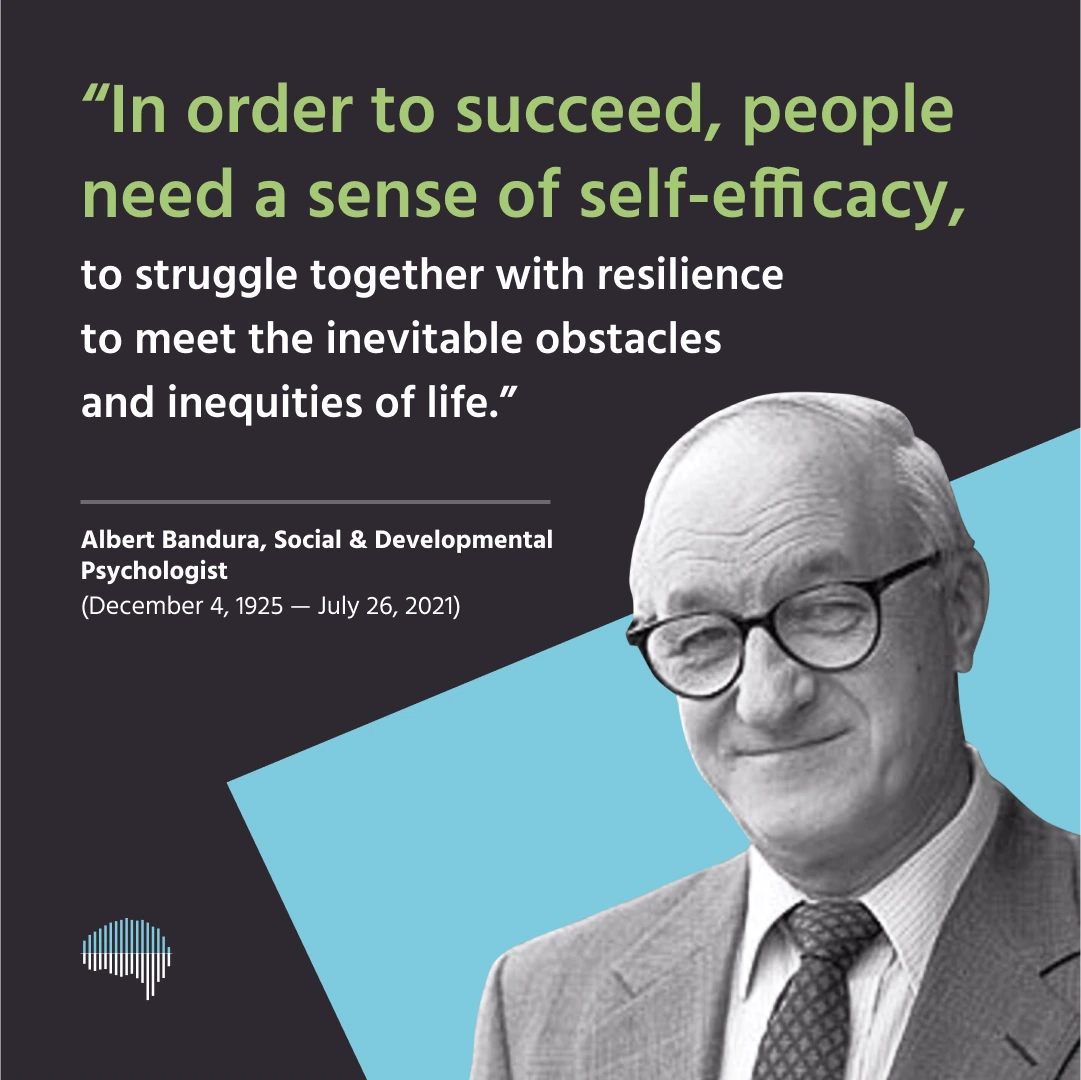
Bandura’s social learning theory states that learning can occur through three stimuli models:
- Live model: The target behavior is being modeled by a person directly in front of the child / student.
- Verbal instructional model: The desired behavior is verbally described through words, thus the individual is instructed on how to perform the behavior.
- Symbolic models: The behavior is performed by real (or fictional) characters in movies, television, the internet, radio, etc.
Next, Bandura outlined 4 cognitive processes that must occur in order for observational learning to occur:
- Attention: The child must pay attention to the modeled behavior. It is important to note that individual capabilities influence how well a child pays attention, such as past performance or cognitive abilities. Also, the nature of the event being model play a role, like how novel, relevant, or emotionally encaptivating it is.
- Retention: Next, the behavior needs to be stored in memory, remembered, and recalled when the time comes for performing it. The cognitive processes that enable this stage are visual and verbal.
- Reproduction: The child must be capable of enacting and performing the behavior. At this stage, feedback plays an important role as skill and capabilities are involved in executing the target behavior.
- Motivation: Lastly, the reader needs to be motivated (through a reason or stimulus) to reenact the behavior in question. Motivation can be influenced through behavioral practices like reinforcement or punishment, but also environmental and social factors can serve as motivation.
Eventually, Bandura’s social learning theory became known as the social cognitive theory because his work took a more holistic approach with a comprehensive perspective on human cognition.
Bandura’s work is considered to bridge the gaps between behaviorism and cognitive psychology. Today, Bandura’s contributions to developmental psychology still influence researchers and even teachers worldwide as the importance of modeling and observational learning is seen in shaping how knowledge is acquired (Rumjaun & Narod, 2020).
14. Lawrence Kohlberg’s 6 Stages of Moral Development
Kohlberg’s theory on moral development is based on Piaget’s work on moral development, but Kohlboerg took this theory and expanded it, developing further the ideas he had about how children develop their moral reasoning. One example of moral development in action is when a child is asked to do chores around the house but asks their parents how this benefits them, at this point the parents will explain the help is reciprocal so if the child cleans the house they will benefit somehow, such as receive an allowance.
Kohlberg’s theory explains how children and individuals follow 6 proposed stages (3 levels with two sub-stages each) to develop moral reasoning and morality. The main drive for developing moral logic is the motivation to seek and maintain justice.
- Level 1: Preconventional Morality: Lasts until the child is about 9 years old and their sense of morality is based on adults’ standards and the learned consequences of rule breaking.
- Stage 1 - Obedience and Punishment Orientation: The child avoids punishment by being good and punishment is reserved for wrongdoing.
- Stage 2 - Individualism and Exchange: Children realize that there is more than one right view and that people have different points of view.
- Level 2: Conventional Morality: One accepts social and conventional rules, especially the norms of one’s group. There is not much challenging or questioning going on.
- Stage 3 - Good Interpersonal Relationships: The individual is concerned about others seeing them as a good person, thus approval is important.
- Stage 4 - Maintaining the Social Order: The individual becomes increasingly aware of society’s rules at large and obeys the rules according to the law.
- Level 3: Postconventional Morality: According to Kohlberg, most people do not reach these stages because they do not develop the type of abstract thinking which is required for postconventional morality. At these stages, individual’s begin to grasp abstract and universal ethical notices like human dignity and the preservation of life.
- Stage 5 - Social Contract and Individual Rights: The individual becomes aware of the complexity of right and wrong, such as that sometimes the good for the majority may not serve the best interest of the individual, as illustrated by Heinz’s dilemma.
- Stage 6 - Universal Principles: At this stage, the individual has developed their own sense of morality and guidelines which might not necessarily reflect the law. A person will be ready to defend these principles even at the face of disapproval or, in extreme cases, imprisonment.
Kohlberg acknowledged that this theory is complex and difficult to prove due to its empirical and philosophical nature, however he prompted researchers to look into it in order to validate the theory (Kohlberg & Hersh, 1977).
15. Paul Baltes’ Life-Span Development Theory
At the core of Baltes’ lifelong development theory was the notion that development was a life-long phenomenon. Baltes’ theory on life-span development has 7 concepts that shape it:
- Life-span development: Key to this theory is that development is not restricted by age and it occurs throughout all life-span stages.
- Multidirectionality: Refers to how behavioral systems develop, while some may increase, others might decrease in functionality.
- Development as gain/loss: Development is not a simple, linear process. Rather, it is an incremental journey consisting of gains (ie., growth) and losses (ie., decline).
- Plasticity: Psychological development varies from individual to individual, thus Baltes’ theory is a reminder that normal development can take on many shapes and forms, hence is plastic.
- Historical embeddedness: Development is also influenced by historical and cultural conditions, so history and how events evolve play a role in an individual’s development.
- Contextualism as paradigm: Individual development is influenced by three influential developmental systems, namely: the age-graded, history-grade, and the non-normative systems.
- Field of development as multidisciplinary: Lastly, Baltes insisted that developmental studies should be treated as a multidisciplinary field that also consider related disciplines like biology and sociology. Baltes believed that considering only a psychological perspective offers a limited and partial understanding of life-span development.
Conclusion
All in all, these theories continue to shape and influence researchers in the field to this day. Not only that, but also the educational system has been deeply affected by these developmental theories as many have been adapted into the curriculum and into daily practice. Without the cumulative efforts of these researchers, the field of psychology wouldn’t be what it is today.

References
Ainsworth, M. S. (1979). Infant–mother attachment. American psychologist, 34(10), 932.
Ainsworth, M. D. S., & Bell, S. M. (1981). 5. Attachment, Exploration, and Separation: Illustrated by the Behavior of One-Year-Olds in a Strange Situation. In The life cycle (pp. 57-71). Columbia University Press.
Austrian, S. G. (Ed.). (2008). Developmental theories through the life cycle. Columbia University Press.
Baltes, P. B. (1987). Theoretical propositions of life-span developmental psychology: On the dynamics between growth and decline. Developmental psychology, 23(5), 611.
Bhagat, V., Haque, M., & Jaalam, K. (2018). Enrich schematization in children: Play as the tool for cognitive development. Journal of Applied Pharmaceutical Science, 8(7), 128-131.
Bland, A. M., & DeRobertis, E. M. (2020). Maslow’s unacknowledged contributions to developmental psychology. Journal of Humanistic Psychology, 60(6), 934-958.
Cassidy, J., & Shaver, P. R. (Eds.). (2002). Handbook of attachment: Theory, research, and clinical applications. Rough Guides.
Daneshfar, S., & Moharami, M. (2018). Dynamic assessment in Vygotsky's sociocultural theory: Origins and main concepts. Journal of Language Teaching and Research, 9(3), 600-607.
Douvan, E. (1997). Erik Erikson: Critical times, critical theory. Child psychiatry and human development, 28(1), 15-21.
Duniec, E., & Raz, M. (2011). Vitamins for the soul: John Bowlby’s thesis of maternal deprivation, biomedical metaphors and the deficiency model of disease. History of Psychiatry, 22(1), 93-107.
Erikson, E. H. (1956). The problem of ego identity. Journal of the American Psychoanalytic Association, 4(1), 56-121.
Haggbloom, S. J., Warnick, R., Warnick, J. E., Jones, V. K., Yarbrough, G. L., Russell, T. M., ... & Monte, E. (2002). The 100 most eminent psychologists of the 20th century. Review of General Psychology, 6(2), 139-152.
Harlow, H. F., Dodsworth, R. O., & Harlow, M. K. (1965). Total social isolation in monkeys. Proceedings of the National Academy of Sciences, 54(1), 90-97.
Hertler, S. C., Figueredo, A. J., Peñaherrera-Aguirre, M., & Fernandes, H. B. (2018). Urie Bronfenbrenner: Toward an evolutionary ecological systems theory. In Life history evolution (pp. 323-339). Palgrave Macmillan, Cham.
Kohlberg, L., & Hersh, R. H. (1977). Moral development: A review of the theory. Theory into practice, 16(2), 53-59.
Marginson, S., & Dang, T. K. A. (2017). Vygotsky’s sociocultural theory in the context of globalization. Asia Pacific Journal of Education, 37(1), 116-129.
Michel, G. F., & Moore, C. L. (1995). Developmental psychobiology: An interdisciplinary science. MIT press.
Rholes, W. S., Simpson, J. A., & Friedman, M. (2006). Avoidant attachment and the experience of parenting. Personality and social psychology bulletin, 32(3), 275-285.
Rumjaun, A., & Narod, F. (2020). Social Learning Theory—Albert Bandura. In Science education in theory and practice(pp. 85-99). Springer, Cham.
Saracho, O. N., & Evans, R. (2021). Theorists and their developmental theories. Early Child Development and Care, 191(7-8), 993-1001.
Sundberg, M. L., & Michael, J. (2001). The benefits of Skinner’s analysis of verbal behavior for children with autism. Behavior modification, 25(5), 698-724.
Xue, Y., Xu, Z. Y., Zaroff, C., Chi, P., Du, H., Ungvari, G. S., ... & Xiang, Y. T. (2018). Associations of differentiation of self and adult attachment in individuals with anxiety‐related disorders. Perspectives in psychiatric care, 54(1), 54-63.
Zhan, Z., He, W., Yi, X., & Ma, S. (2022). Effect of unplugged programming teaching aids on children’s Computational Thinking and classroom interaction: with respect to piaget’s four stages theory. Journal of Educational Computing Research, 07356331211057143.