labvanced logoLabVanced
Contact
    • Remote Physiological Measurements
    • Eye Tracking
    • Head & Face-Tracking
    • Emotion Detection
    • Heart Rate Detection (rPPG)
    • Generative AI
    • Audio Transcription
    • EEG & Hardware Integrations
    • Decision Making
    • Reaction Times
    • Keyboard Inputs
    • Mouse Tracking
    • Mobile / Touch
    • Questionnaires
    • Gamepad / Joystick Integration
    • Audio Recordings
    • Audio Transcription
    • Video Recordings
    • Screen Recordings
    • Photos / Snapshots
    • Video Conferencing
    • Canvas Drawings
    • Build with AI
    • Build with Spreadsheets
    • Using the Experiment Editor
    • Coding
    • Creating Questionnaires
    • Balancing & Randomization
    • UX & Website Testing
    • Single Session Studies
    • Factorial Designs
    • Longitudinal & Multi-session Studies
    • Individual & Case Studies
    • Real-time Multi-user Studies
    • Interviews & Video Calls
    • Surveys & Questionnaires
    • Experience Sampling & Diaries
    • Classroom & Group Testing
    • Interventions & Clinical Trials
    • In the Browser
    • Mobile App
    • Desktop App
    • WebBridge Chrome Extension
    • Stroop Test
    • Flanker Task
    • N-back Task
    • Implicit Association Test
    • Trail Making Test
    • Digit Span
    • Corsi Block Tapping
    • Tower of London
    • Balloon Analog Risk Task
    • Preferential Looking
    • Browse more →
    • DASS-21
    • GAD-7
    • Rosenberg Self-Esteem Scale
    • PHQ-9
    • Ten-Item Personality Inventory
    • Big Five Personality Test
    • Adult ADHD Self-Report Scale
    • Browse more →
    • Building a Multi-user Study
    • Webcam Eye Tracking with AOIs
    • Website Frame Eye Tracking
    • Conditional Eye Tracking Opt-in
    • ChatGPT Study
    • Desktop App Study with EEG
    • Between-subjects Group Balancing
    • Building a Reading Study
    • Stroop Task
    • Lexical Decision Task
    • Browse more →
    Public Experiment Library
    • Arts Research
    • Clinical Psychology & Neuropsychology Medicine
    • Cognitive Psychology
    • Developmental Psychology
    • Behavioral Economics & Decision Science
    • Educational Research & Psychology
    • HCI & Human Factors
    • Linguistics & Language Sciences
    • Consumer & Marketing Research
    • Social & Personality Psychology
    • Sport & Movement Science
    • UX & Website Testing
    • Executive Functions
    • Language & Reading
    • Decision-Making & Reasoning
    • Attention
    • Overview
    • HCI & Human Factors
    • UX & Website Testing
    • Consumer & Marketing Research
    • White-Label App
    • PageGazer
    • Webcam vs. Lab Eye Tracking in InfantsAnna Banki & Gabriela Markova
    • Eye Tracking for Influencer MarketingDr. Alexander Edeling
    • Eye Tracking Infant Word ComprehensionDr. Giulia Calignano
    • Sentence Reading and Grammar JudgmentsDr. Jonathan Mirault
    • Regulating Emotions with MusicDr. Katrin Starcke
    • Game-Based Grammar Learning in ChildrenDr. Mireia Marimon
    • Gaze Cueing and AutismMax Soares Miehstein
    • Personality and Hearing in NoiseDr. Malte Wöstmann
    • All interviews →
    • Lab Notes
    • How to Cite Labvanced
    • Labvanced Platform Paper (2017)
    • Webcam Eye Tracking Validation (2024)
    • Webcam Eye Tracking Studies
    • Cognitive Psychology Studies
    • Developmental Psychology Studies
    • Linguistics Studies
    • See all publications →
    • Getting Started
    • Guide
    • Video Tutorials
    • Walkthroughs
    • Live Chat
    • Webinars & Onboarding Calls
    • AI Assistant
    • FAQ
    • Importing Templates Guide
    • Test Templates
    • Live Eye Tracking Metrics
    • Mouse Tracking Demo
    • ChatGPT Demo
    • Audio Recording Object Demo
    • Adding Image Stimuli Demo
    • Score & Feedback Demo
    • Browse all technical demos →
    • Timing Precision
    • Stimuli Presentation
    • Headphone Checks
    • Bot Checks
    • Participant Management
    • Comparisons
    • Research Blog
    • Prolific Integration
    • CloudResearch Integration
    • Sona Systems Integration
    • BeSample Integration
    • Panelabs Integration
    • Clickworker Integration
    • Labvanced Webhook API
    • Labvanced REST API
    • About Us
    • Newsletter Archive
    • Terms & Conditions
    • Data Security & Data Privacy
    • Technical & Organisational Measures
    • Accessibility
    • W-8BEN-E Form
    • Data Processing Agreement Template
    LinkedInYouTubeDiscord
    • Individual
    • Lab
    • Department / Consortium
    • Teaching
    • Campus
    • Commercial
    Top-Ups
    • Overview
    • Study Building
    • Subject Recruitment
    • Dedicated Support
    Checkout
  • Contact
    • ZH
      • 中國人
      • Deutsch
      • Français
      • Español
      • English
      • 日本語
    • Appgo to app icon
    • Loginlogin icon
    Platform
    Labvanced makes it easy to implement the most advanced study design and reliably collect your data.
    Biosignals & AI
    Remote Physiological MeasurementsEye TrackingHead & Face-TrackingEmotion DetectionHeart Rate Detection (rPPG)Generative AIAudio TranscriptionEEG & Hardware Integrations
    Behavioral Recordings
    Decision MakingReaction TimesKeyboard InputsMouse TrackingMobile / TouchQuestionnairesGamepad / Joystick Integration
    Media Recordings
    Audio RecordingsAudio TranscriptionVideo RecordingsScreen RecordingsPhotos / SnapshotsVideo ConferencingCanvas Drawings
    Implementation Techniques
    Build with AIBuild with SpreadsheetsUsing the Experiment EditorCodingCreating QuestionnairesBalancing & RandomizationUX & Website Testing
    Study Formats

    Your study can take whatever format your research needs. Here are a few popular examples.

    Single Session StudiesFactorial DesignsLongitudinal & Multi-session StudiesIndividual & Case StudiesReal-time Multi-user StudiesInterviews & Video CallsSurveys & QuestionnairesExperience Sampling & DiariesClassroom & Group TestingInterventions & Clinical Trials
    Where Studies Run

    Run your study online in the browser, on mobile or tablet with the mobile app, or in-lab with the desktop app.

    In the BrowserMobile AppDesktop AppWebBridge Chrome Extension
    Tests
    Explore cognitive tests, questionnaires, walkthroughs, and our public experiment library: a starting point for your next study.
    Popular Cognitive Tests
    Stroop TestFlanker TaskN-back TaskImplicit Association TestTrail Making TestDigit SpanCorsi Block TappingTower of LondonBalloon Analog Risk TaskPreferential Looking
    Browse more →
    Questionnaires & Scales
    DASS-21GAD-7Rosenberg Self-Esteem ScalePHQ-9Ten-Item Personality InventoryBig Five Personality TestAdult ADHD Self-Report Scale
    Browse more →
    Public Experiment Library

    Take a look at what other researchers in the community are doing through our extensive, open catalog of shared studies.

    Open the public library →
    Walkthroughs

    Step-by-step builds of complete studies, from a blank project to a running experiment, that you can follow along or adapt.

    Building a Multi-user StudyWebcam Eye Tracking with AOIsWebsite Frame Eye TrackingConditional Eye Tracking Opt-inChatGPT StudyDesktop App Study with EEGBetween-subjects Group BalancingBuilding a Reading StudyStroop TaskLexical Decision Task
    Browse more →
    Research
    One platform for students, academics, and industry researchers studying human behavior.
    Harvard UniversityStanford UniversityCambridge UniversityUCLNYUMax Planck InstituteUCLATU Munich

    Trusted by researchers at 1,500+ universities worldwide

    Academic Research
    Arts ResearchClinical Psychology & Neuropsychology MedicineCognitive PsychologyDevelopmental PsychologyBehavioral Economics & Decision ScienceEducational Research & PsychologyHCI & Human FactorsLinguistics & Language SciencesConsumer & Marketing ResearchSocial & Personality PsychologySport & Movement ScienceUX & Website Testing
    Research Areas
    Executive FunctionsLanguage & ReadingDecision-Making & ReasoningAttention
    Industry / Commercial
    OverviewHCI & Human FactorsUX & Website TestingConsumer & Marketing ResearchWhite-Label AppPageGazer
    Researcher Interviews

    Conversations with researchers about the studies they ran with Labvanced, what worked, and what they learned.

    Webcam vs. Lab Eye Tracking in InfantsAnna Banki & Gabriela MarkovaEye Tracking for Influencer MarketingDr. Alexander EdelingEye Tracking Infant Word ComprehensionDr. Giulia CalignanoSentence Reading and Grammar JudgmentsDr. Jonathan MiraultRegulating Emotions with MusicDr. Katrin StarckeGame-Based Grammar Learning in ChildrenDr. Mireia MarimonGaze Cueing and AutismMax Soares MiehsteinPersonality and Hearing in NoiseDr. Malte Wöstmann
    All interviews →
    Our Research
    Lab NotesHow to Cite Labvanced
    Peer Reviewed Studies

    A selection of peer-reviewed work built on Labvanced: our own platform and validation papers, and studies by the research community grouped by area. Hundreds more are listed on the full publications page.

    Labvanced Platform Paper (2017)Webcam Eye Tracking Validation (2024)Webcam Eye Tracking StudiesCognitive Psychology StudiesDevelopmental Psychology StudiesLinguistics Studies
    See all publications →
    Resources
    Valuable resources to help you learn the platform, stay updated, and more.
    Documentation
    Getting StartedGuideVideo TutorialsWalkthroughs
    Support
    Live ChatWebinars & Onboarding CallsAI AssistantFAQ
    Templates & Demos

    These are a few popular examples. Browse our guide and a selection of technical demos to get started with implementation.

    Importing Templates GuideTest TemplatesLive Eye Tracking MetricsMouse Tracking DemoChatGPT DemoAudio Recording Object DemoAdding Image Stimuli DemoScore & Feedback Demo
    Browse all technical demos →
    Methodology
    Timing PrecisionStimuli PresentationHeadphone ChecksBot ChecksParticipant ManagementComparisonsResearch Blog
    Integrations & APIs
    Prolific IntegrationCloudResearch IntegrationSona Systems IntegrationBeSample IntegrationPanelabs IntegrationClickworker IntegrationLabvanced Webhook APILabvanced REST API
    Company & Legal
    About UsNewsletter ArchiveTerms & ConditionsData Security & Data PrivacyTechnical & Organisational MeasuresAccessibilityW-8BEN-E FormData Processing Agreement Template
    LinkedInYouTubeDiscord
    Pricing
    Our licenses and additional services at a glance.
    Licenses
    IndividualLabDepartment / ConsortiumTeachingCampusCommercial
    Top-Ups

    Need more recordings for your lab or your own research? Simply use one of these recording top-up packages.

    Browse top-up packages →
    Additional Services

    Hire Labvanced’s expert team to quickly bring your project to the level of rigor it needs.

    OverviewStudy BuildingSubject RecruitmentDedicated Support
    Checkout

    Ready to purchase a license or top-up? Head straight to checkout.

    Go to checkout →
    • 中國人
    • Deutsch
    • Français
    • Español
    • English
    • 日本語

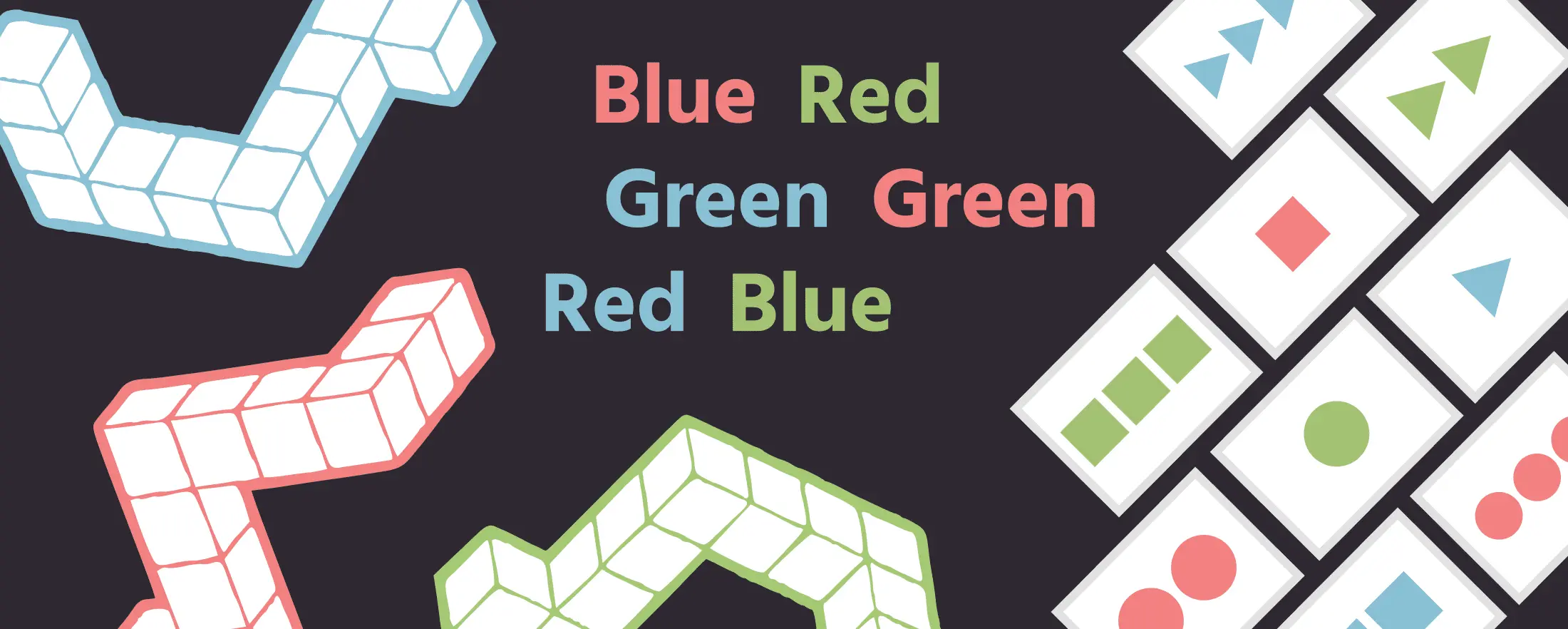
    来自不同认知心理学任务的刺激插图

    7 个经典认知任务

    让我们来看看几个经典示例,通常用于认知心理学研究领域的关键认知任务!

    1. Stroop 任务

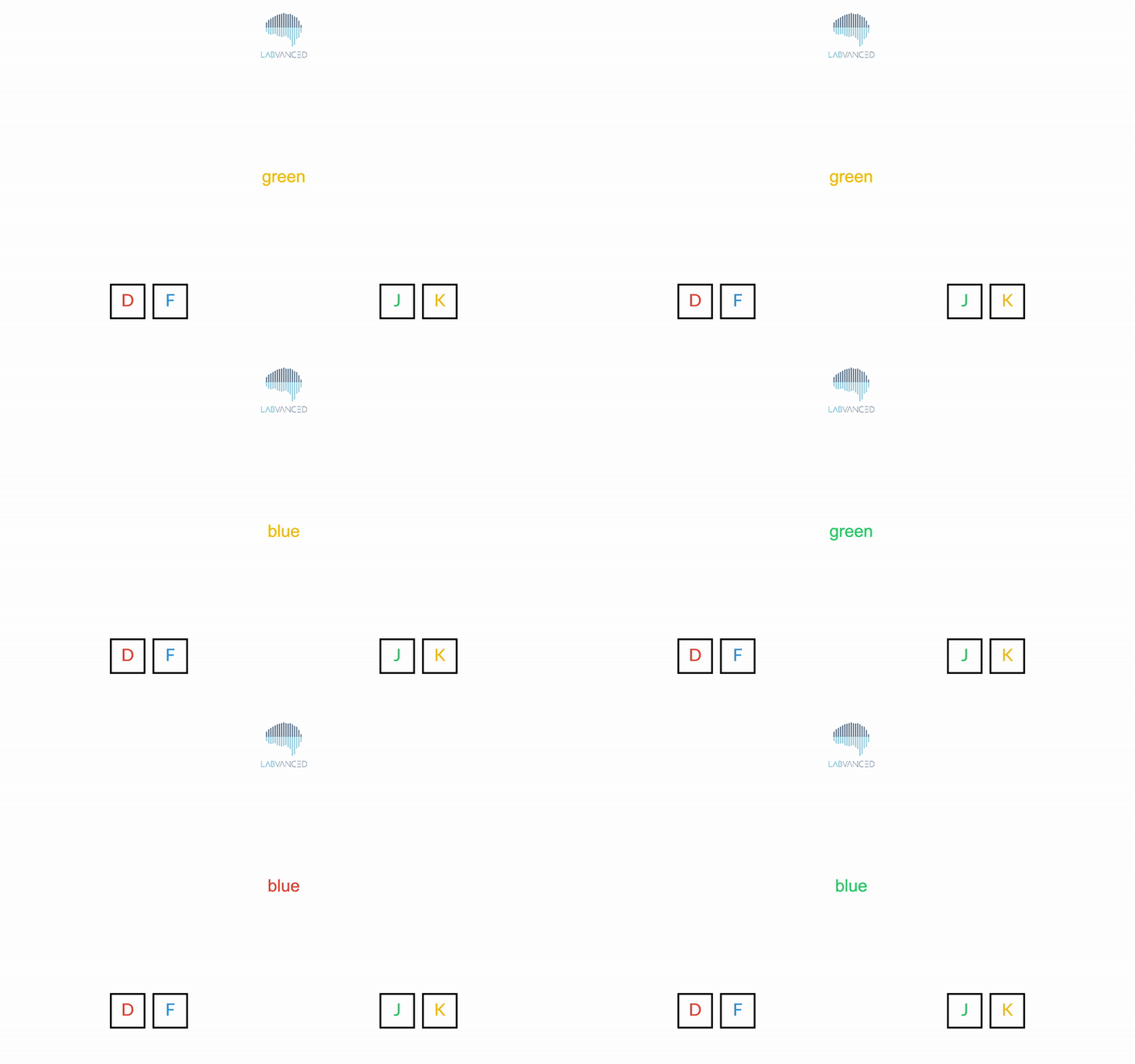
    • 概述: 捕捉到当刺激不一致而不是一致时,反应时间会延迟的现象,即刺激提供了冲突的信息。Stroop 任务是认知心理学中最著名的任务之一。
    • 任务设置: 在经典设置中,展示一个词,但您必须报告这个词的颜色,而不是这个词的意思。例如,书写的词可能是蓝色,但它的颜色可能是黄色,您必须报告黄色作为正确答案。给出正确答案所花的时间越长,Stroop 效应越强。
    • Labvanced 实验: https://www.labvanced.com/page/library/73868Labvanced 中的 Stroop 认知任务演示
    • 变体: 这种认知任务的常用变体包括:情感 Stroop、数字 Stroop 和空间 Stroop 任务。
    • 测量过程: 处理速度、选择性注意、自动化、并行分布处理、抑制、执行控制、抑制和工作记忆。
      • 也用于研究认知发展。研究表明,从早期儿童到早期成年,反应时间显著减少,这表明与之相关的认知过程,如工作记忆,正在发展。
    • 起源: 正式命名为 John Ridley Stroop,于 1935 年发表的。原始论文是实验心理学中被引用最多的论文之一!

    2. Flanker 任务

    • 概述: 该认知心理学任务本质上是测试在其他干扰物存在时对刺激的视觉感知和注意力。
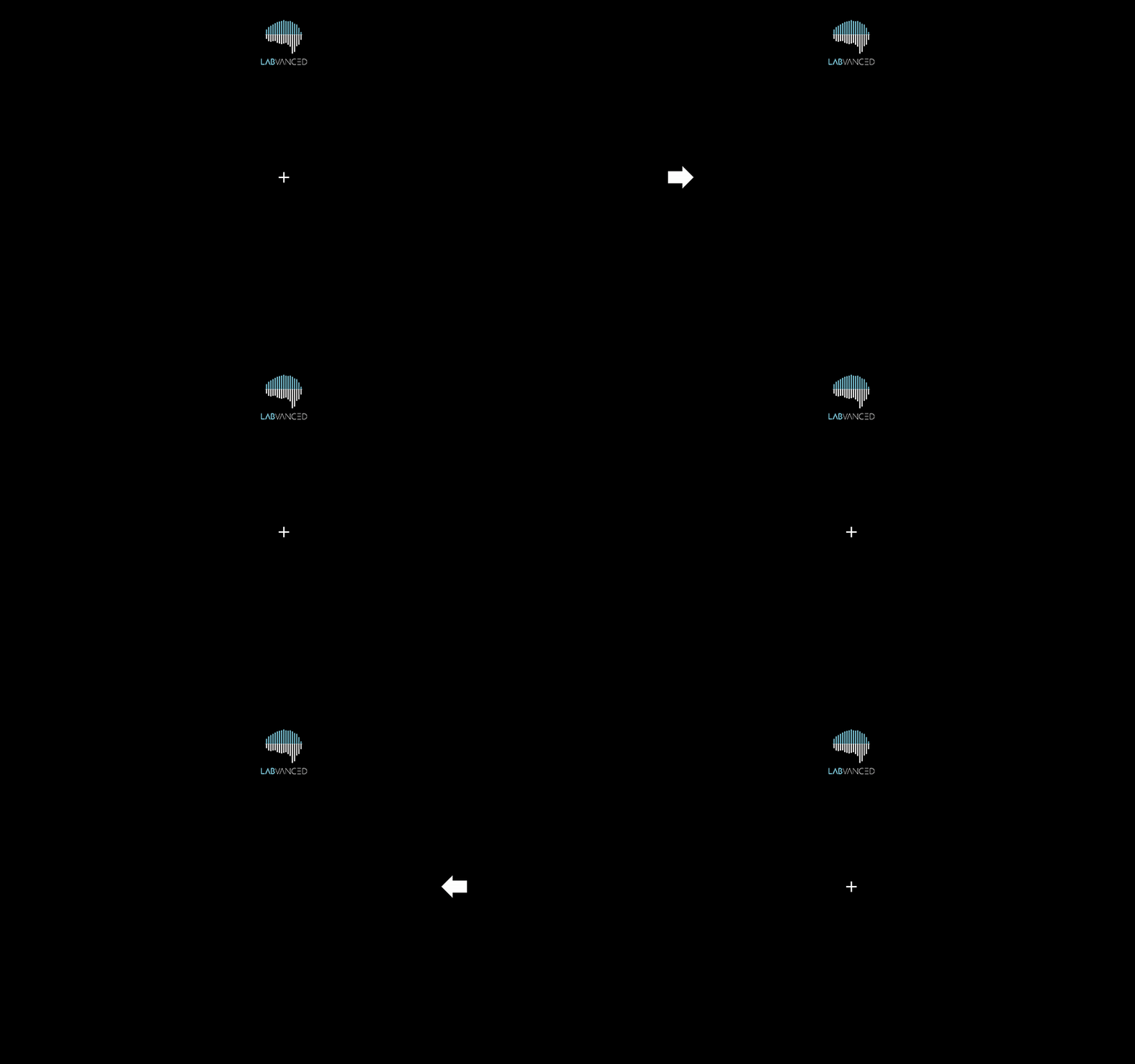
    • 任务设置: 参与者必须对中央箭头指向的方向做出响应,而不管附近箭头指向的方向。当箭头指向相同方向时,它们被视为“一致”,但当目标箭头指向不同方向时,它就是“无一致性”,预计反应时间会增加。
    • Labvanced 实验: 这个认知任务示例是 Flanker 任务的修改版本,箭头位于屏幕的不同位置。试试 или 将其导入到您的账户中:
      https://www.labvanced.com/page/library/77235Labvanced 中的认知任务演示,Flanker 任务的作用
    • 变体: 有时使用其他刺激,例如物体。在儿童 Flanker 任务中,可以使用更有吸引力的刺激,以保持这一认知任务的趣味性和参与感。
    • 测量过程: 空间认知、视觉感知、选择性注意、抑制、执行功能
    • 起源: 该任务于 1974 年首次发表,命名为美国心理学家 Barbara A. Eriksen 和 Charles W. Eriksen。

    3. 心理旋转 2D / 3D

    • 概述: 一种强大而简单的认知任务,用于评估空间处理能力和能力。
    • 任务设置: 向参与者展示一个标准/目标对象(由 3D 立方体构成的某种形状),参与者必须决定哪个两个选项(从四个呈现的选项中)与目标对象匹配。 了解更多关于 MRT 的信息。
    • Labvanced 实验:
      • 2D 心理旋转: https://www.labvanced.com/page/library/76954
      • 3D 心理旋转 - 身体: https://www.labvanced.com/page/library/74968
    • 变体: 可以使用不同的刺激,例如手、物体和非字母符号,而不是 2D 或 3D 立方体。
    • 测量过程: 组织、空间技能(例如推理和认知)、视觉感知、智力
    • 起源: MRT 的起源可以追溯到 1971 年,研究人员 Shepard 和 Metzler 在不同的旋转下展示 3D 物体,同时围绕垂直轴旋转。

    4. 威斯康星卡片分类测试(WCST)

    • 概述: 参与者必须通过推理调查并快速适应任务变化的规则,以根据每次卡片选择后提供的反馈选择正确的卡。
    • 任务设置: 显示一个标准卡片,代表未言明的“规则”,参与者必须猜测从所提供的选项中哪个其他卡片遵循标准卡片的规则。这些卡片根据形状、形状数量和颜色各不相同。 阅读更多关于 WCST 的信息。
    • 测量过程: 执行功能、任务切换、认知推理、认知灵活性、工作记忆、问题解决能力和响应维持
    • 起源: WCST 可追溯到 1948 年,当时研究人员 Esta Berg 撰写了论文《测量思维灵活性的一种简单客观技术》。

    5. N-Back 任务(2-Back 任务)

    • 概述: 知名的认知心理学任务,亦用于临床和实验心理学,研究工作记忆。
    • 任务设置: 提示一系列刺激,参与者必须指示当前刺激是否与序列中之前显示的 n 步之一匹配。例如,如果您看到字母流,如 A...F…G…F…,在 2-back 任务中,您必须指示第二个 ‘F’ 是匹配的,因为另一个 F 在两个字母之前出现。
    • Labvanced 实验: 在这个 N-back 任务中,您将看到一串字母。您的任务是响应您看到的字母是否与您看到的 2 步之前的字母相匹配。试试或将其导入:
      https://www.labvanced.com/page/library/73892
    • 变体: 为了使任务更容易或更难,可以调整负载因子 n。 测量过程:注意力、工作记忆、工作记忆容量、专注力、流体智力
    • 起源: Wayne Kirchner 于 1958 年引入了 n-back 任务。

    6. Navon 任务

    • 概述: 一项使用字母根据格式塔原则测试感知的全局和局部特征的任务。
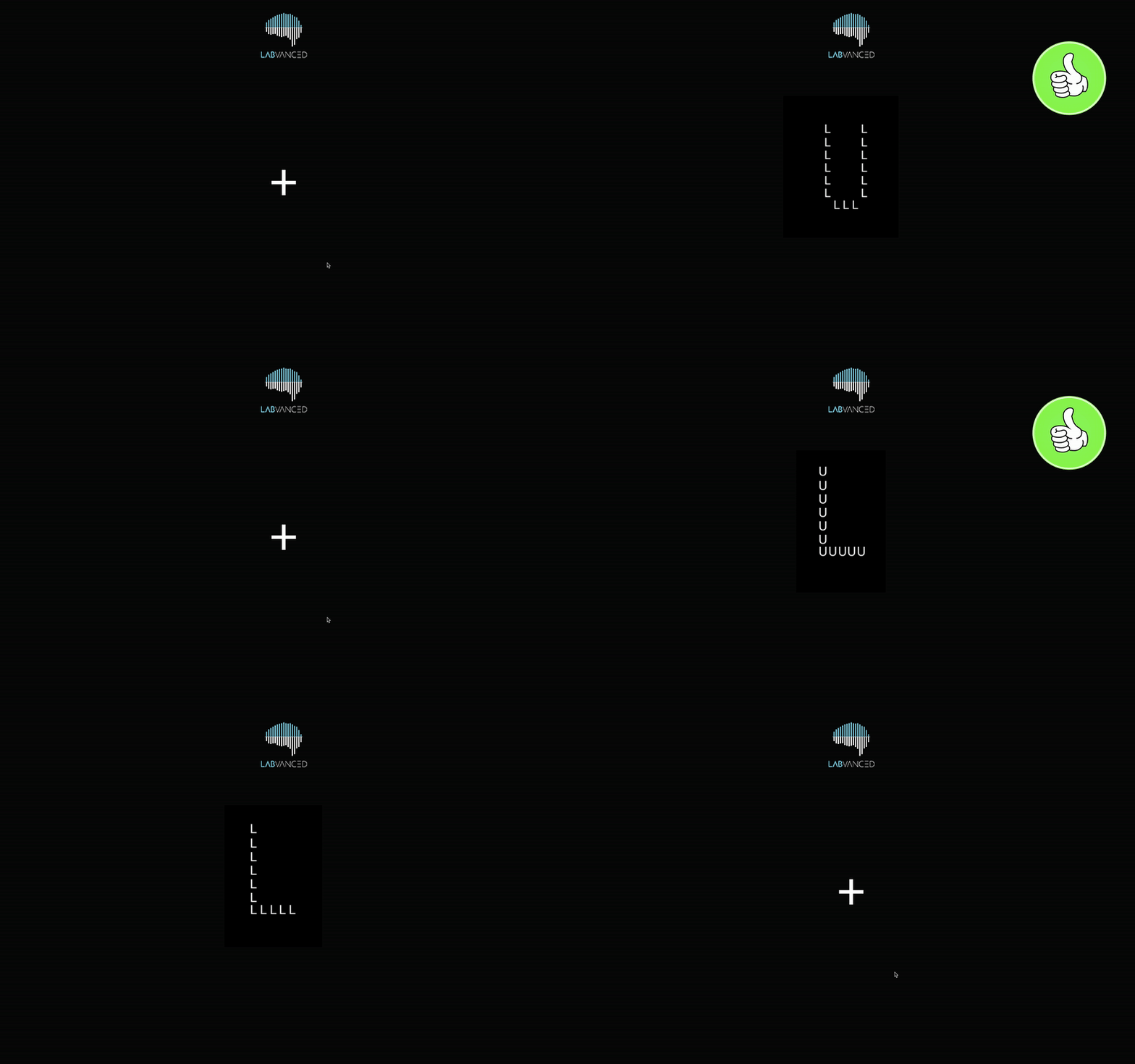
    • 任务设置: 参与者必须集中注意力在由较小字母组成的单个字母和形状上。例如,由较小的 ‘H’ 字母组成的大 ‘H’。
    • Labvanced 实验: https://www.labvanced.com/page/library/36082在 Labvanced 中执行的 Navon 任务
    • 测量过程: 视觉忽视、感知、注意力
    • 起源: 可追溯到 David Navon 于 1977 年发表的关于视觉感知中全局特征优先性的研究。

    7. 数字范围任务

    • 概述: 数字范围任务,即记住呈现的数字/数字的顺序,在认知心理学研究中非常流行,用于测试记忆范围,因为参与者在此上的表现不依赖于潜在的混淆变量,例如语义、复杂性或日常生活中出现的频率!
    • 任务设置: 在此认知任务中,参与者将看到或听到一系列数字,并被指示正确回忆该序列。在每次试验中,呈现的数字系列逐渐变长。
    • Labvanced 实验: https://www.labvanced.com/page/library/73915数字范围任务,在 Labvanced 中进行的著名认知心理学任务,用于评估记忆
    • 变体: 倒序数字范围任务是一种变体,参与者必须回忆所呈现的数字并报告它们的倒序,这被认为更具挑战性。
    • 测量过程: 工作记忆的数字存储能力

    结论

    这些认知任务是心理学研究中用于研究认知过程(如注意力、感知、执行功能等)的优秀范例!如果您正在进行心理学研究,您可以将上述链接的任何研究导入到您的 Labvanced 账户中,并将其作为您下一个实验的基础(甚至考虑启用基于网络摄像头的眼动追踪等高级功能!)

    参考文献

    • Berg, E. A. (1948). A simple objective technique for measuring flexibility in thinking. The Journal of general psychology, 39(1), 15-22.
    • Eriksen, B. A., & Eriksen, C. W. (1974). Effects of noise letters upon the identification of a target letter in a nonsearch task. Perception & psychophysics, 16(1), 143-149.
    • Jones, G., & Macken, B. (2015). Questioning short-term memory and its measurement: Why digit span measures long-term associative learning. Cognition, 144, 1-13.
    • Kirchner, W. K. (1958). Age differences in short-term retention of rapidly changing information. Journal of experimental psychology, 55(4), 352.
    • Metzler, J., & Shepard, R. N. (1974). Transformational Studies of the Internal Representation of Three-Dimensional Objects 1. In Theories in cognitive psychology (pp. 147-201). Routledge.
    • Navon, D. (1977). Forest before trees: The precedence of global features in visual perception. Cognitive psychology, 9(3), 353-383.
    • Stroop, J. R. (1935). Studies of interference in serial verbal reactions. Journal of experimental psychology, 18(6), 643.