labvanced logoLabVanced
Contact
    • Remote Physiological Measurements
    • Eye Tracking
    • Head & Face-Tracking
    • Emotion Detection
    • Heart Rate Detection (rPPG)
    • Generative AI
    • Audio Transcription
    • EEG & Hardware Integrations
    • Decision Making
    • Reaction Times
    • Keyboard Inputs
    • Mouse Tracking
    • Mobile / Touch
    • Questionnaires
    • Gamepad / Joystick Integration
    • Audio Recordings
    • Audio Transcription
    • Video Recordings
    • Screen Recordings
    • Photos / Snapshots
    • Video Conferencing
    • Canvas Drawings
    • Build with AI
    • Build with Spreadsheets
    • Using the Experiment Editor
    • Coding
    • Creating Questionnaires
    • Balancing & Randomization
    • UX & Website Testing
    • Single Session Studies
    • Factorial Designs
    • Longitudinal & Multi-session Studies
    • Individual & Case Studies
    • Real-time Multi-user Studies
    • Interviews & Video Calls
    • Surveys & Questionnaires
    • Experience Sampling & Diaries
    • Classroom & Group Testing
    • Interventions & Clinical Trials
    • In the Browser
    • Mobile App
    • Desktop App
    • WebBridge Chrome Extension
    • Stroop Test
    • Flanker Task
    • N-back Task
    • Implicit Association Test
    • Trail Making Test
    • Digit Span
    • Corsi Block Tapping
    • Tower of London
    • Balloon Analog Risk Task
    • Preferential Looking
    • Browse more →
    • DASS-21
    • GAD-7
    • Rosenberg Self-Esteem Scale
    • PHQ-9
    • Ten-Item Personality Inventory
    • Big Five Personality Test
    • Adult ADHD Self-Report Scale
    • Browse more →
    • Building a Multi-user Study
    • Webcam Eye Tracking with AOIs
    • Website Frame Eye Tracking
    • Conditional Eye Tracking Opt-in
    • ChatGPT Study
    • Desktop App Study with EEG
    • Between-subjects Group Balancing
    • Building a Reading Study
    • Stroop Task
    • Lexical Decision Task
    • Browse more →
    Public Experiment Library
    • Arts Research
    • Clinical Psychology & Neuropsychology Medicine
    • Cognitive Psychology
    • Developmental Psychology
    • Behavioral Economics & Decision Science
    • Educational Research & Psychology
    • HCI & Human Factors
    • Linguistics & Language Sciences
    • Consumer & Marketing Research
    • Social & Personality Psychology
    • Sport & Movement Science
    • UX & Website Testing
    • Executive Functions
    • Language & Reading
    • Decision-Making & Reasoning
    • Attention
    • Overview
    • HCI & Human Factors
    • UX & Website Testing
    • Consumer & Marketing Research
    • White-Label App
    • PageGazer
    • Webcam vs. Lab Eye Tracking in InfantsAnna Banki & Gabriela Markova
    • Eye Tracking for Influencer MarketingDr. Alexander Edeling
    • Eye Tracking Infant Word ComprehensionDr. Giulia Calignano
    • Sentence Reading and Grammar JudgmentsDr. Jonathan Mirault
    • Regulating Emotions with MusicDr. Katrin Starcke
    • Game-Based Grammar Learning in ChildrenDr. Mireia Marimon
    • Gaze Cueing and AutismMax Soares Miehstein
    • Personality and Hearing in NoiseDr. Malte Wöstmann
    • All interviews →
    • Lab Notes
    • How to Cite Labvanced
    • Labvanced Platform Paper (2017)
    • Webcam Eye Tracking Validation (2024)
    • Webcam Eye Tracking Studies
    • Cognitive Psychology Studies
    • Developmental Psychology Studies
    • Linguistics Studies
    • See all publications →
    • Getting Started
    • Guide
    • Video Tutorials
    • Walkthroughs
    • Live Chat
    • Webinars & Onboarding Calls
    • AI Assistant
    • FAQ
    • Importing Templates Guide
    • Test Templates
    • Live Eye Tracking Metrics
    • Mouse Tracking Demo
    • ChatGPT Demo
    • Audio Recording Object Demo
    • Adding Image Stimuli Demo
    • Score & Feedback Demo
    • Browse all technical demos →
    • Timing Precision
    • Stimuli Presentation
    • Headphone Checks
    • Bot Checks
    • Participant Management
    • Comparisons
    • Research Blog
    • Prolific Integration
    • CloudResearch Integration
    • Sona Systems Integration
    • BeSample Integration
    • Panelabs Integration
    • Clickworker Integration
    • Labvanced Webhook API
    • Labvanced REST API
    • About Us
    • Newsletter Archive
    • Terms & Conditions
    • Data Security & Data Privacy
    • Technical & Organisational Measures
    • Accessibility
    • W-8BEN-E Form
    • Data Processing Agreement Template
    LinkedInYouTubeDiscord
    • Individual
    • Lab
    • Department / Consortium
    • Teaching
    • Campus
    • Commercial
    • Browse recording top-ups →
    • Browse AI token top-ups →
    • Overview
    • Study Building
    • Subject Recruitment
    • Dedicated Support
    Checkout
  • Contact
    • JA
      • 中國人
      • Deutsch
      • Français
      • Español
      • English
      • 日本語
    • Logout
    • Loginlogin icon
    Platform
    Labvanced makes it easy to implement the most advanced study design and reliably collect your data.
    Biosignals & AI
    Remote Physiological MeasurementsEye TrackingHead & Face-TrackingEmotion DetectionHeart Rate Detection (rPPG)Generative AIAudio TranscriptionEEG & Hardware Integrations
    Behavioral Recordings
    Decision MakingReaction TimesKeyboard InputsMouse TrackingMobile / TouchQuestionnairesGamepad / Joystick Integration
    Media Recordings
    Audio RecordingsAudio TranscriptionVideo RecordingsScreen RecordingsPhotos / SnapshotsVideo ConferencingCanvas Drawings
    Implementation Techniques
    Build with AIBuild with SpreadsheetsUsing the Experiment EditorCodingCreating QuestionnairesBalancing & RandomizationUX & Website Testing
    Study Formats

    Your study can take whatever format your research needs. Here are a few popular examples.

    Single Session StudiesFactorial DesignsLongitudinal & Multi-session StudiesIndividual & Case StudiesReal-time Multi-user StudiesInterviews & Video CallsSurveys & QuestionnairesExperience Sampling & DiariesClassroom & Group TestingInterventions & Clinical Trials
    Where Studies Run

    Run your study online in the browser, on mobile or tablet with the mobile app, or in-lab with the desktop app.

    In the BrowserMobile AppDesktop AppWebBridge Chrome Extension
    Tests
    Explore cognitive tests, questionnaires, walkthroughs, and our public experiment library: a starting point for your next study.
    Popular Cognitive Tests
    Stroop TestFlanker TaskN-back TaskImplicit Association TestTrail Making TestDigit SpanCorsi Block TappingTower of LondonBalloon Analog Risk TaskPreferential Looking
    Browse more →
    Questionnaires & Scales
    DASS-21GAD-7Rosenberg Self-Esteem ScalePHQ-9Ten-Item Personality InventoryBig Five Personality TestAdult ADHD Self-Report Scale
    Browse more →
    Public Experiment Library

    Take a look at what other researchers in the community are doing through our extensive, open catalog of shared studies.

    Open the public library →
    Walkthroughs

    Step-by-step builds of complete studies, from a blank project to a running experiment, that you can follow along or adapt.

    Building a Multi-user StudyWebcam Eye Tracking with AOIsWebsite Frame Eye TrackingConditional Eye Tracking Opt-inChatGPT StudyDesktop App Study with EEGBetween-subjects Group BalancingBuilding a Reading StudyStroop TaskLexical Decision Task
    Browse more →
    Research
    One platform for students, academics, and industry researchers studying human behavior.
    Harvard UniversityStanford UniversityCambridge UniversityUCLNYUMax Planck InstituteUCLATU Munich

    Trusted by researchers at 1,500+ universities worldwide

    Academic Research
    Arts ResearchClinical Psychology & Neuropsychology MedicineCognitive PsychologyDevelopmental PsychologyBehavioral Economics & Decision ScienceEducational Research & PsychologyHCI & Human FactorsLinguistics & Language SciencesConsumer & Marketing ResearchSocial & Personality PsychologySport & Movement ScienceUX & Website Testing
    Research Areas
    Executive FunctionsLanguage & ReadingDecision-Making & ReasoningAttention
    Industry / Commercial
    OverviewHCI & Human FactorsUX & Website TestingConsumer & Marketing ResearchWhite-Label AppPageGazer
    Researcher Interviews

    Conversations with researchers about the studies they ran with Labvanced, what worked, and what they learned.

    Webcam vs. Lab Eye Tracking in InfantsAnna Banki & Gabriela MarkovaEye Tracking for Influencer MarketingDr. Alexander EdelingEye Tracking Infant Word ComprehensionDr. Giulia CalignanoSentence Reading and Grammar JudgmentsDr. Jonathan MiraultRegulating Emotions with MusicDr. Katrin StarckeGame-Based Grammar Learning in ChildrenDr. Mireia MarimonGaze Cueing and AutismMax Soares MiehsteinPersonality and Hearing in NoiseDr. Malte Wöstmann
    All interviews →
    Our Research
    Lab NotesHow to Cite Labvanced
    Peer Reviewed Studies

    A selection of peer-reviewed work built on Labvanced: our own platform and validation papers, and studies by the research community grouped by area. Hundreds more are listed on the full publications page.

    Labvanced Platform Paper (2017)Webcam Eye Tracking Validation (2024)Webcam Eye Tracking StudiesCognitive Psychology StudiesDevelopmental Psychology StudiesLinguistics Studies
    See all publications →
    Resources
    Valuable resources to help you learn the platform, stay updated, and more.
    Documentation
    Getting StartedGuideVideo TutorialsWalkthroughs
    Support
    Live ChatWebinars & Onboarding CallsAI AssistantFAQ
    Templates & Demos

    These are a few popular examples. Browse our guide and a selection of technical demos to get started with implementation.

    Importing Templates GuideTest TemplatesLive Eye Tracking MetricsMouse Tracking DemoChatGPT DemoAudio Recording Object DemoAdding Image Stimuli DemoScore & Feedback Demo
    Browse all technical demos →
    Methodology
    Timing PrecisionStimuli PresentationHeadphone ChecksBot ChecksParticipant ManagementComparisonsResearch Blog
    Integrations & APIs
    Prolific IntegrationCloudResearch IntegrationSona Systems IntegrationBeSample IntegrationPanelabs IntegrationClickworker IntegrationLabvanced Webhook APILabvanced REST API
    Company & Legal
    About UsNewsletter ArchiveTerms & ConditionsData Security & Data PrivacyTechnical & Organisational MeasuresAccessibilityW-8BEN-E FormData Processing Agreement Template
    LinkedInYouTubeDiscord
    Pricing
    Our licenses and additional services at a glance.
    Licenses
    IndividualLabDepartment / ConsortiumTeachingCampusCommercial
    Top-Ups

    Need more recordings for your lab or your own research? Simply use one of these recording top-up packages.

    Browse recording top-ups →

    Need more AI tokens for the AI assistant and study translations? Simply use one of these AI token top-up packages.

    Browse AI token top-ups →
    Additional Services

    Hire Labvanced’s expert team to quickly bring your project to the level of rigor it needs.

    OverviewStudy BuildingSubject RecruitmentDedicated Support
    Checkout

    Ready to purchase a license or top-up? Head straight to checkout.

    Go to checkout →
    • 中國人
    • Deutsch
    • Français
    • Español
    • English
    • 日本語

    心理学がエーヴィングハウス錯覚を研究する方法

    エーヴィングハウス錯覚の心理学

    エーヴィングハウス錯覚は、100年以上にわたって研究されてきましたが、現在の研究の世界でも依然として関連があり、心理学者や神経科学者がこの錯覚の背後にある内部の働きを理解しようとする中で、オンライン実験にも応用されています。

    エーヴィングハウス錯覚とは?

    ドイツの心理学者ヘルマン・エーヴィングハウス(1850-1909)にちなんで名付けられたエーヴィングハウス錯覚(時にはティッチナー円とも呼ばれます)は、周囲の形によってサイズの知覚がどのように操作されるかを示す視覚的錯覚です。

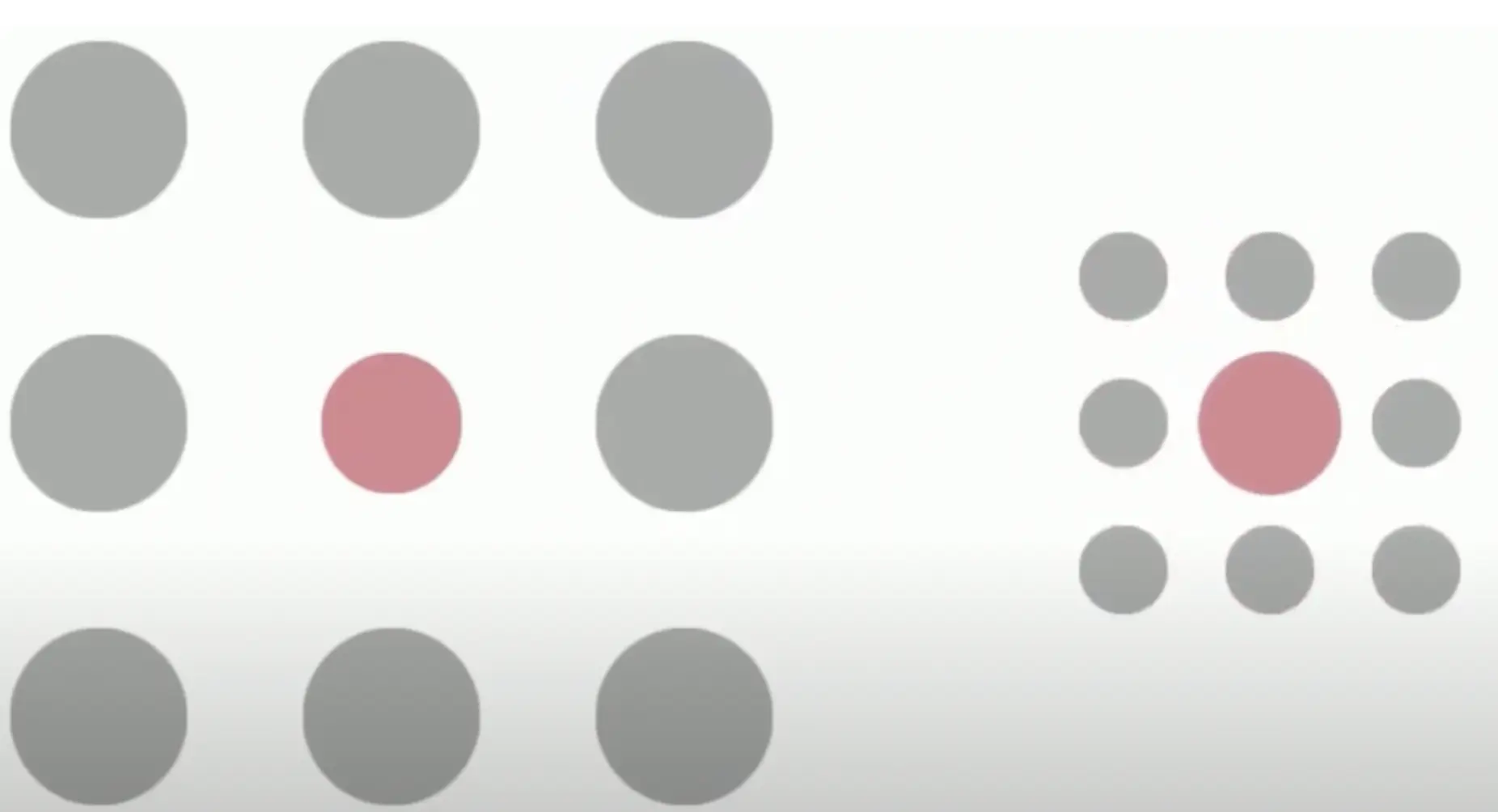
    エーヴィングハウス錯覚では、大きな形に囲まれた刺激は、小さな形に囲まれたときよりも小さく見えます。下の図1をご覧ください。ほとんどの人は、左側の赤い円(テスト円盤)が右側のものよりも小さいと熱心に同意するでしょう。
    エーヴィングハウス錯覚オンライン実験インターフェースのプレビュー

    図 1: エーヴィングハウス錯覚のデモンストレーション

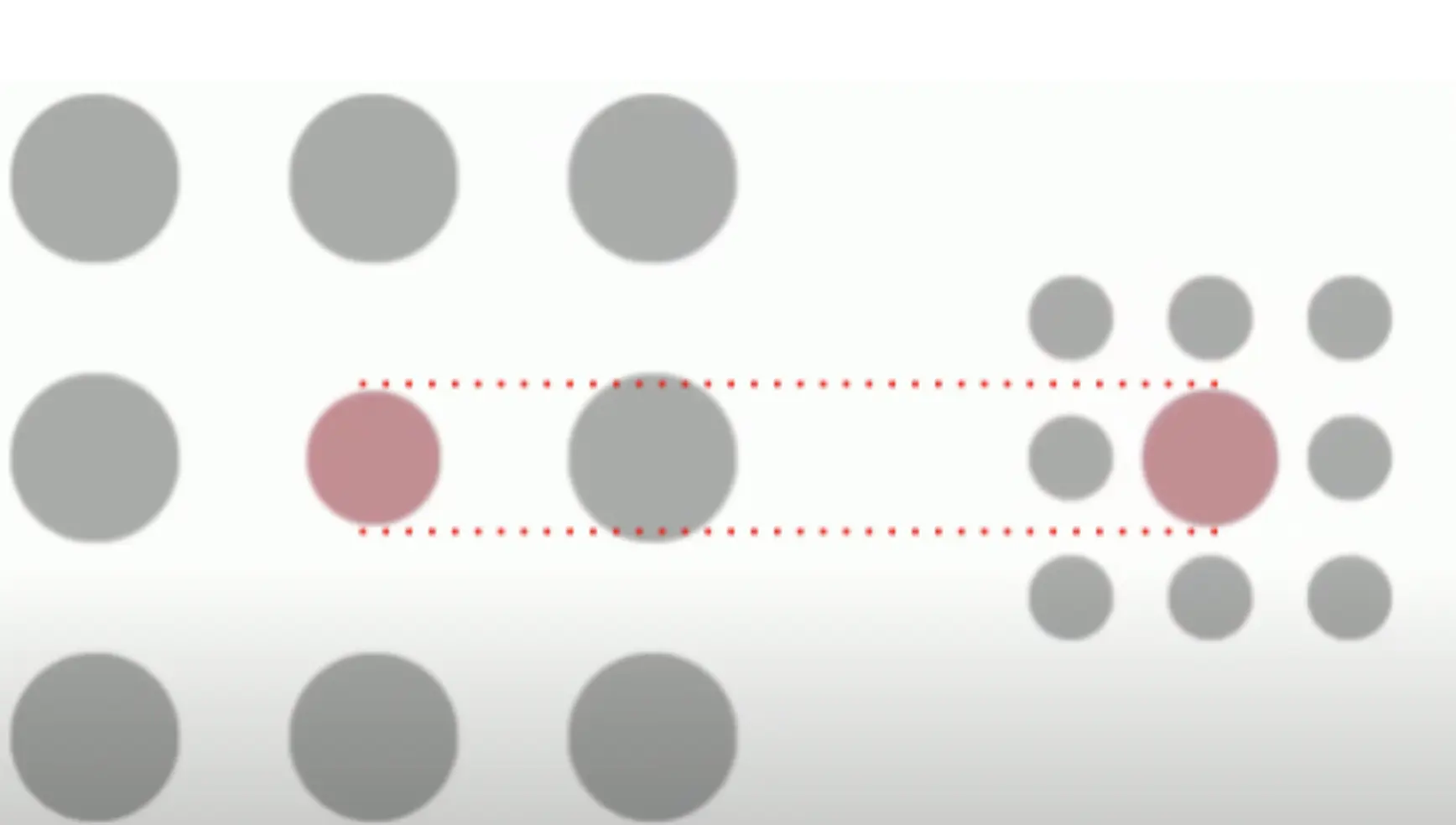
    実際には、それらは同じサイズです。下の図2をご覧ください。赤い形は実際には同じサイズで、周囲の形(インデューサー)がこの知覚的現象に大きく関連しています。
    エーヴィングハウス錯覚におけるターゲット刺激のサイズの比較

    図 2: 中央の形は同じサイズですが、知覚はそうではないと示唆しています。

    この知覚的現象は、参加者が赤い円を互いに一致させるのを難しくします。

    エーヴィングハウス錯覚に関するオンライン実験

    実験がオンラインプラットフォームにシフトするにつれて、従来の静的な錯覚であるエーヴィングハウス錯覚も同様に変化しました。現在、Labvancedプラットフォームを通じて、図3、世界中のユーザーがエーヴィングハウス錯覚の研究に簡単に参加でき、大学生や博士課程の学生は、数回の簡単なクリックで自分の実験のテンプレートとして事前に構築されたプログラミング機能を使用できます。

    図 3: Labvancedプラットフォーム上で、周囲の円(インデューサー)に影響されることなく、エーヴィングハウス錯覚の二つの赤い円(テスト円盤)をできるだけ正確に一致させようとする参加者。

    エーヴィングハウス錯覚を使用した心理学研究

    脳に関する発見が進むにつれて、理論が発展し続け、新たな領域やエーヴィングハウス錯覚(つまりティッチナー円)に関する研究課題が生じています。以下では、エーヴィングハウス錯覚を中心に据えた研究をいくつか見ていきます。

    認知プロセス

    エーヴィングハウス錯覚を実験の中心に使用し、研究者たちは認知プロセスをテストし、この錯覚を生み出すメカニズムや少なくとも参加者のパフォーマンスに影響を与える要因を説明しようとしました。

    • 記憶: レイ氏とその同僚は、記憶バイアスが参加者の錯覚の知覚に影響を与えることを示しました。異なる二つのグループを使用し、参加者が学習フェーズを経たときにパフォーマンスがどのように変わるかを示しました。学習フェーズは、参加者のパフォーマンスにおいて記憶が役割を果たしていることを示しており、二つのグループはサイズを一致させる際に異なる結果を示しました。研究者たちは、このタスクのパフォーマンスにおける知覚に対する記憶の役割は、知覚と記憶が共通のリソースを共有し、脳の同じ運動感覚システムに依存しているという理論に関連していると仮定しました(レイ et al., 2015)。

    • 作業記憶負荷: 別の研究では、作業記憶がエーヴィングハウス錯覚の結果にどのように影響するかを考察しました。参加者に高い作業記憶負荷がかかると、周囲の円盤/インデューサーのサイズによって気を散らされ、より多くの錯覚に直面する可能性が高くなります。これは、十分な認知制御がこのタスクをうまく実行するための鍵であることを示唆しています(デ・フォッケルト & ウー、2009)。
    Labvancedにサインアップして心理学の実験をオンラインで作成しましょう。

    発達心理学

    別の研究では、年齢が錯覚の知覚に影響を与えることを示しました。ドハーティー氏とその同僚は、エーヴィングハウス錯覚を使用し、若い参加者(小学生)や年配の参加者(大学生)にどのテスト円盤が大きいかを選ばせました(つまり、二者択一の強制選択パラダイム)。テスト円盤は常に異なるサイズで、参加者はどちらが大きく見えるかを示さなければなりませんでした。

    研究者たちは、主に小学生が大学生よりも高い識別精度を持っていることを発見したとき、その結果は驚くべきものでした。研究者たちは、子供たちが誤解を招く文脈で大人よりも高い精度で識別できると結論付けました(ドハーティー et al., 2010)。

    異常心理学

    この錯覚は、異常心理学および臨床心理学の分野にも応用されています。ある研究では、精神的なエピソードの超高リスクにある参加者を評価し、健康な対照群とそのパフォーマンスを比較しました。参加者には、条件によって変化する二つのターゲット円のサイズを区別させました。「助ける条件」では判断が容易でしたが、「誤解を招く条件」はより難しかったです。それに対して、「無文脈条件」ではターゲットが何の参照もなく現れました。

    研究者たちは、精神的リスクがあるグループは「誤解を招く条件」による影響を受けにくく、対照群よりも良いパフォーマンスを発揮したことを発見しました。これは、より大きな否定的症状と役割機能に関連していました(ミタル et al., 2015)。

    生物学

    ゲノムワイド関連解析を行った朱らは、エーヴィングハウス錯覚を説明する遺伝的基盤に関する重要な証拠を見つけました!2800人以上の参加者を対象としたこの大規模な研究で、研究者たちは生物学的および心理社会的サンプルを取りました。単一ヌクレオチド多型(SNP)および遺伝子が分析され、55のSNPおよび7つの遺伝子が過大評価に関連していることが分かりました。研究者たちは、エーヴィングハウス錯覚における過大評価は、遺伝性を通じて部分的に説明でき、彼らのモデルでは遺伝子がパフォーマンス結果に34.3%の影響を与えると推定されました(朱 et al., 2021)。

    終わりに

    エーヴィングハウス錯覚は長い間存在していますが、現在の研究の世界でも依然として関連性があり、学生や研究所がオンライン実験を利用して知覚現象の背後にあるものを学んでいます。認知プロセスの詳細な考察から生物学を取り入れた研究まで、新たな洞察がエーヴィングハウス錯覚に光を当て続けており、ますます興味深く魅力的なものとなっています。

    参考文献

    デ・フォッケルト, J. W., & ウー, S. (2009). 高い作業記憶負荷がエーヴィングハウス錯覚を増加させる。欧州認知心理学ジャーナル, 21(7), 961-970.

    ドハーティー, M. J., キャンベル, N. M., 辻, H., & フィリップス, W. A. (2010). エーヴィングハウス錯覚は大人を欺くが若い子供は欺かない。発達科学, 13(5), 714-721.

    ミタル, V. A., グプタ, T., キーン, B. P., & シルバースタイン, S. M. (2015). 精神病の高リスクにある若者における視覚的文脈処理の機能不全: エーヴィングハウス錯覚への抵抗とその症状及び社会的・役割機能との相関関係。異常心理学ジャーナル, 124(4), 953.

    レイ, A. E., ヴァレット, G. T., リウ, B., レジュール, M., & ヴェルサス, R. (2015). 記憶は私をだます: エーヴィングハウス錯覚における記憶再活性化によって誘発された知覚バイアス。行動心理学, 161, 104-109.

    朱, Z., チェン, B., ナ, R., ファン, W., ジャン, W., ジョウ, Q., ... & ファン, F. (2021). ゲノムワイド関連解析がエーヴィングハウス錯覚の基盤となるさらなる遺伝的要因を明らかにする。ヒト遺伝学ジャーナル, 66(3), 261-271.